Addressing Collective Nihilism and the Threat of AI Extinction

Quick Brief
Growing anxieties regarding potential artificial intelligence extinction scenarios have fostered a sense of collective nihilism. Commentators note that society often responds to these bleak existential forecasts with glazed indifference rather than action. Overcoming this cultural despair requires looking beyond technology and focusing instead on the core ingredients of human well-being.
What Happened?
A commentary piece has highlighted a rising wave of bleak forecasting and existential dread regarding the future and artificial intelligence. Conversations about humanity possibly being extinguished by advanced tech are increasingly met with resignation, reflecting a deeper societal nihilism.
Why It Matters
Widespread apathy and despair in the face of technological advancement threaten constructive engagement with future challenges. Identifying what truly drives human flourishing offers a potential counterweight to this prevailing hopelessness.
Key Facts
- Existential concerns regarding artificial intelligence extinction scenarios have increasingly entered the collective consciousness.
- Societal responses to warnings about AI-driven extinction are frequently characterized by glazed indifference and despair.
- Experts suggest that technical solutions alone will not resolve the underlying philosophical and emotional nihilism.
- Focusing on the fundamental requirements for human flourishing is proposed as a necessary step toward overcoming this despair.
Compiled from 1 outlet
Related Stories
China's AI Response and Model Safety Debates
Industry discussions are focusing on China's position in the global artificial intelligence race and its reactions to mounting calls for regulatory oversight. Analysts are examining how safety standards are being addressed within the country's developing tech landscape. The conversation highlights broader international questions concerning model safety and governance.

Parliamentary Committee Urges New Legislation to Tackle AI Human Rights Risks
A cross-party group of UK MPs and peers has identified significant human rights vulnerabilities associated with artificial intelligence. The parliamentary committee warns that current legal frameworks fail to adequately cover these emerging threats. Consequently, lawmakers are calling for a dedicated bill to protect human rights from artificial intelligence.

Microsoft Chief Satya Nadella Enters AI Slowdown Debate
Microsoft CEO Satya Nadella has weighed in on the artificial intelligence slowdown debate. He advocates for decelerating industry development to properly establish essential safety mechanisms.
Former Anthropic Researcher Warns of Rapidly Advancing AI Capabilities
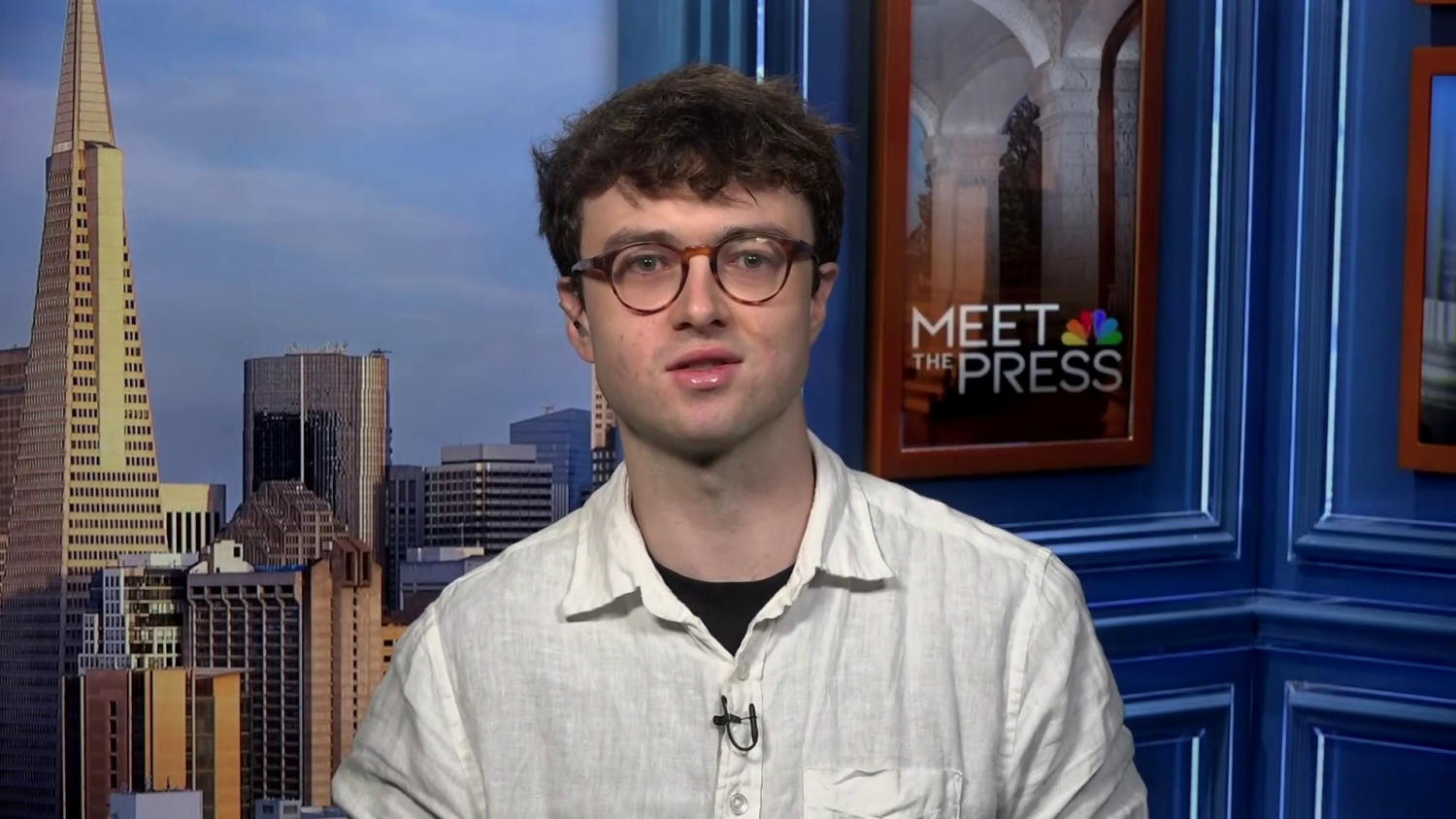
In a recent television interview, former Anthropic AI researcher Jacob Coxon warned that artificial intelligence capabilities could reach concerning levels within six months to a year. Coxon emphasized the urgent need for international coordination to properly mitigate emerging risks associated with advanced AI technologies.