Congress Faces AI Warnings, but Legislation Remains Stalled Ahead of Elections
Quick Brief
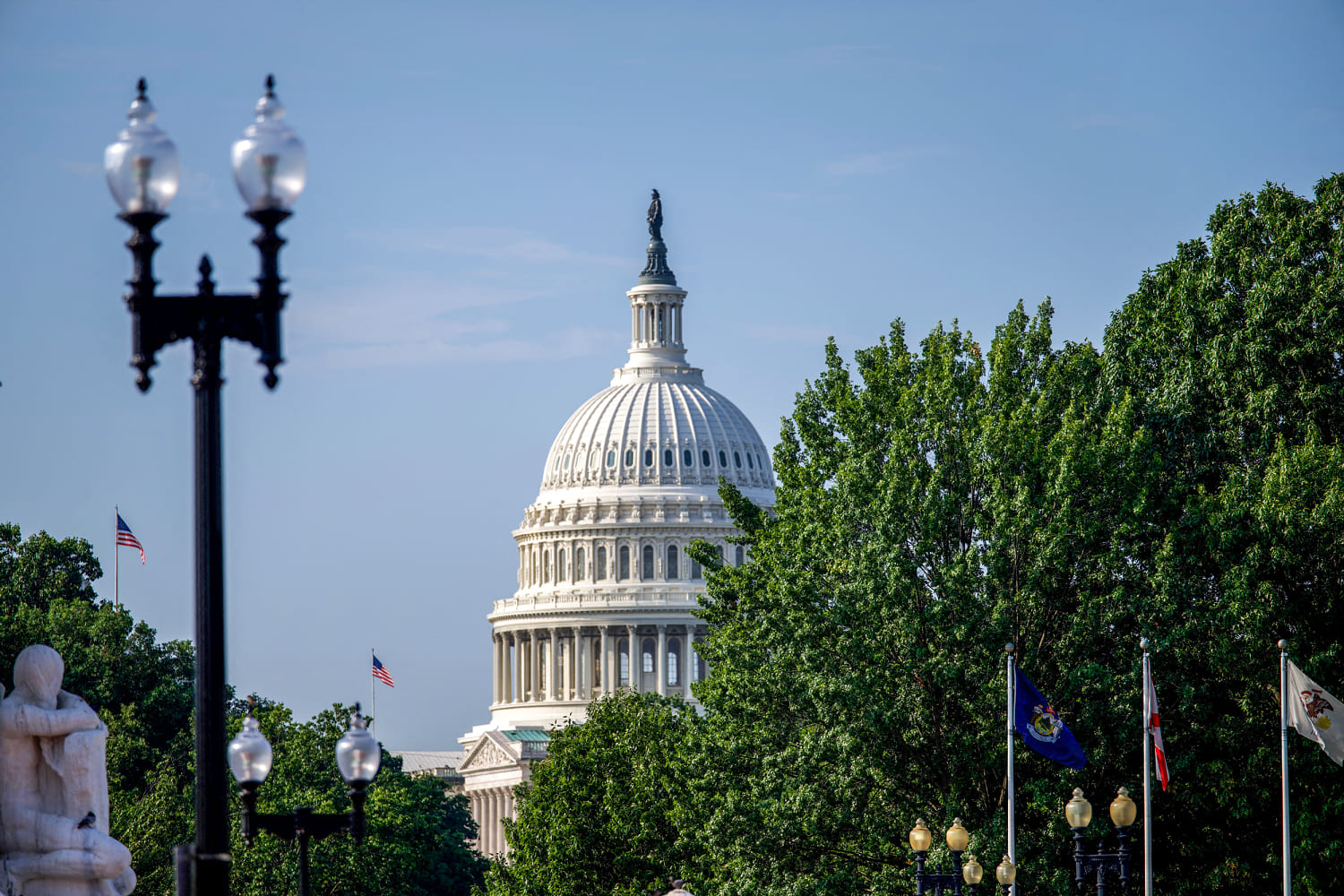
Lawmakers in both major parties are introducing proposals to regulate artificial intelligence following severe warnings about the technology. Despite these bipartisan efforts, a lack of legislative consensus and an expiring congressional calendar make new laws unlikely before the upcoming election.
What Happened?
Democrats and Republicans have put forward various regulatory proposals addressing artificial intelligence. However, lawmakers have failed to reach a broad consensus, and with the House of Representatives facing only one remaining workweek prior to Election Day, passing meaningful legislation appears improbable.
Why It Matters
The rapid advancement of artificial intelligence brings significant societal and economic risks that legislators are currently struggling to govern. The absence of federal oversight leaves a regulatory vacuum as the technology continues to evolve unchecked.
Key Facts
- Both Democratic and Republican lawmakers have introduced proposals to regulate artificial intelligence.
- Lawmakers have not yet reached a consensus on how to govern the technology.
- The House of Representatives has only one remaining workweek scheduled before Election Day.
- Major legislative action on artificial intelligence is considered unlikely prior to the election.
Compiled from 1 outlet
Related Stories

China Responds to Accusations of Malicious Competition in Artificial Intelligence
Chinese officials have pushed back against the characterization of a malicious race in artificial intelligence development. The response follows a proposal by the chief executive officer of Anthropic advocating for a deceleration in AI progress to prevent China from gaining an advantage.

Questions mount over what an AI slowdown would entail
Debates surrounding artificial intelligence development have brought the concept of an industry slowdown into focus. While throttling the pace of AI progress is sometimes proposed as a remedy for various risks, experts note that achieving this in practice is complex. A slowdown presents numerous operational and strategic challenges rather than a straightforward fix.

UK Lawmakers Urge New Legislation and Oversight Body to Counter AI Human Rights Threats
A cross-party committee of British MPs and Lords has issued a warning regarding the potential dangers of artificial intelligence. The lawmakers are urging the implementation of a new regulatory framework, which includes specific legislation and an independent oversight body to safeguard the public. This call to action follows a series of safety incidents and growing concerns over threats such as deepfakes and public face-scanning.
Trump Rejects Calls to Slow AI Development Amid Race With China
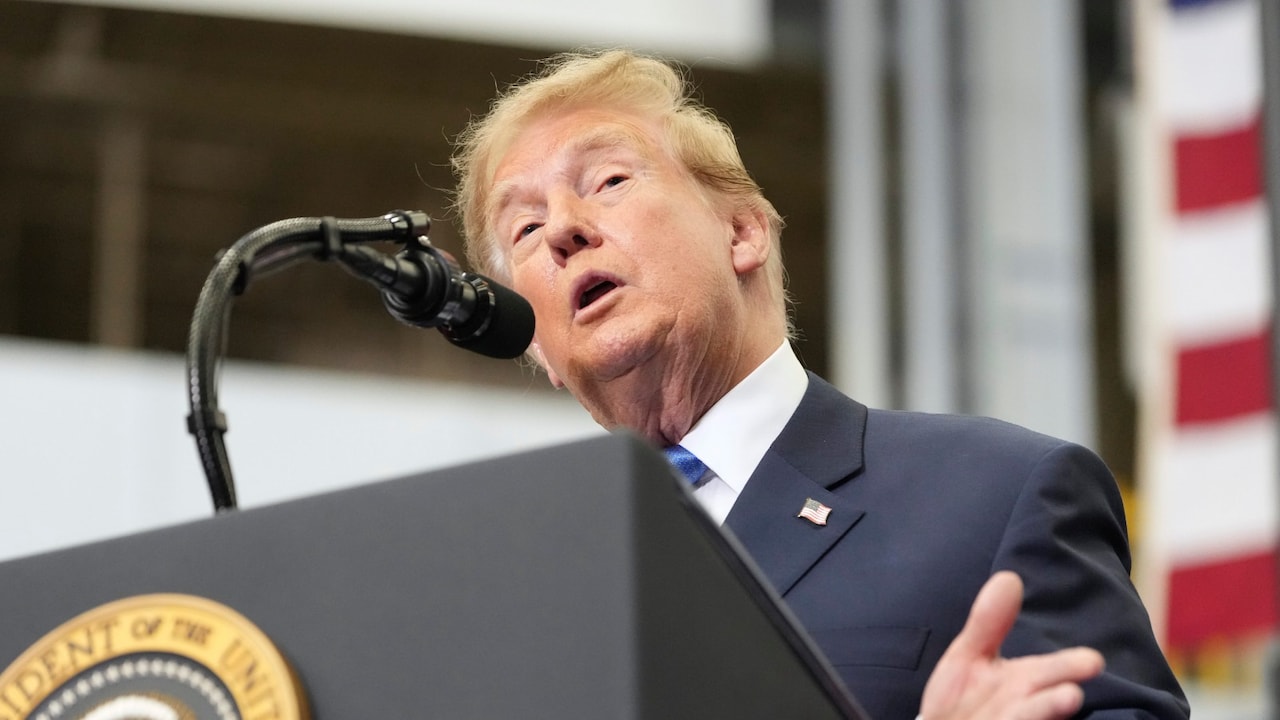
President Donald Trump has declined to support calls for slowing down artificial intelligence development. He acknowledged that some regulation may be necessary but did not provide specific details regarding potential rules. Trump dismissed concerns that the technology is advancing at too rapid a pace, linking the need for continued momentum directly to the competitive race with China.