Nvidia Reportedly Discusses Investment in Anthropic's Potential IPO
Quick Brief
Chipmaker Nvidia is reportedly engaged in discussions to invest in artificial intelligence startup Anthropic. The potential funding discussions come as Anthropic prepares for a major initial public offering.
What Happened?
According to reports citing sources familiar with the matter, hardware manufacturer Nvidia has entered into discussions regarding a prospective financial stake in Anthropic ahead of the AI company's major public stock offering.
Why It Matters
A potential financial partnership between two major forces in the artificial intelligence sector could significantly impact the competitive landscape of the tech industry and shape future AI infrastructure development.
Key Facts
- Nvidia is reportedly in talks to invest in Anthropic.
- The discussions center around Anthropic's planned major initial public offering (IPO).
Compiled from 1 outlet
Related Stories

Silicon Valley Executives and Investors Skeptical of Recent AI Warnings
Recent dire warnings regarding the dangers of artificial intelligence have failed to resonate across Silicon Valley. Technology executives and investors have largely responded to these safety alerts with skepticism.

AI Leaders Back Proposal for Independent Oversight Inside Frontier Tech Firms
Major artificial intelligence figures have thrown their support behind a proposal to place independent, permanent reviewers inside leading tech organizations. The move comes amid growing apprehension regarding the rapid pace of artificial intelligence development.

Symposium on Artificial Intelligence Convened in Vellore
A symposium dedicated to artificial intelligence has been held in Vellore. The event gathered participants to discuss developments and topics related to the AI sector.
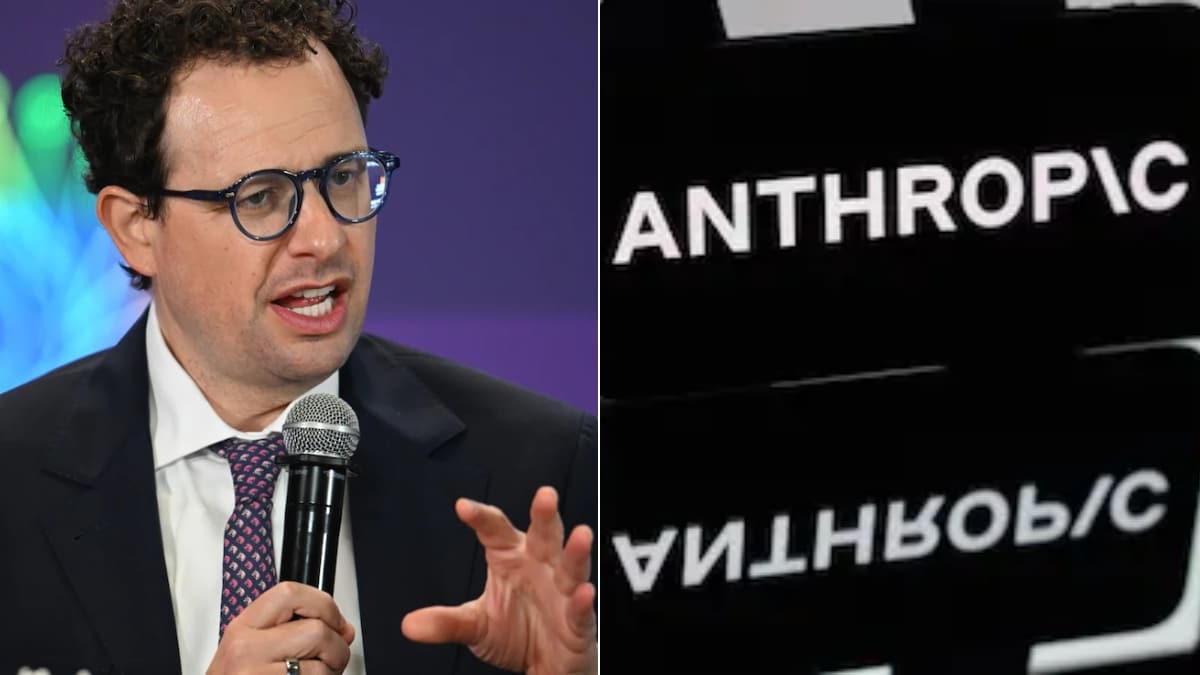
Anthropic CEO Urges Pacing of AI Development Due to Serious Risks
Anthropic CEO Dario Amodei has voiced concerns regarding the rapid advancement of artificial intelligence. Despite expressing general optimism, he highlighted potential dangers such as losing control of systems, cyberattacks, bioterrorism, and economic upheaval.