Trump Dismisses Need for AI Guardrails, Arguing a Smart President Is Sufficient
Quick Brief
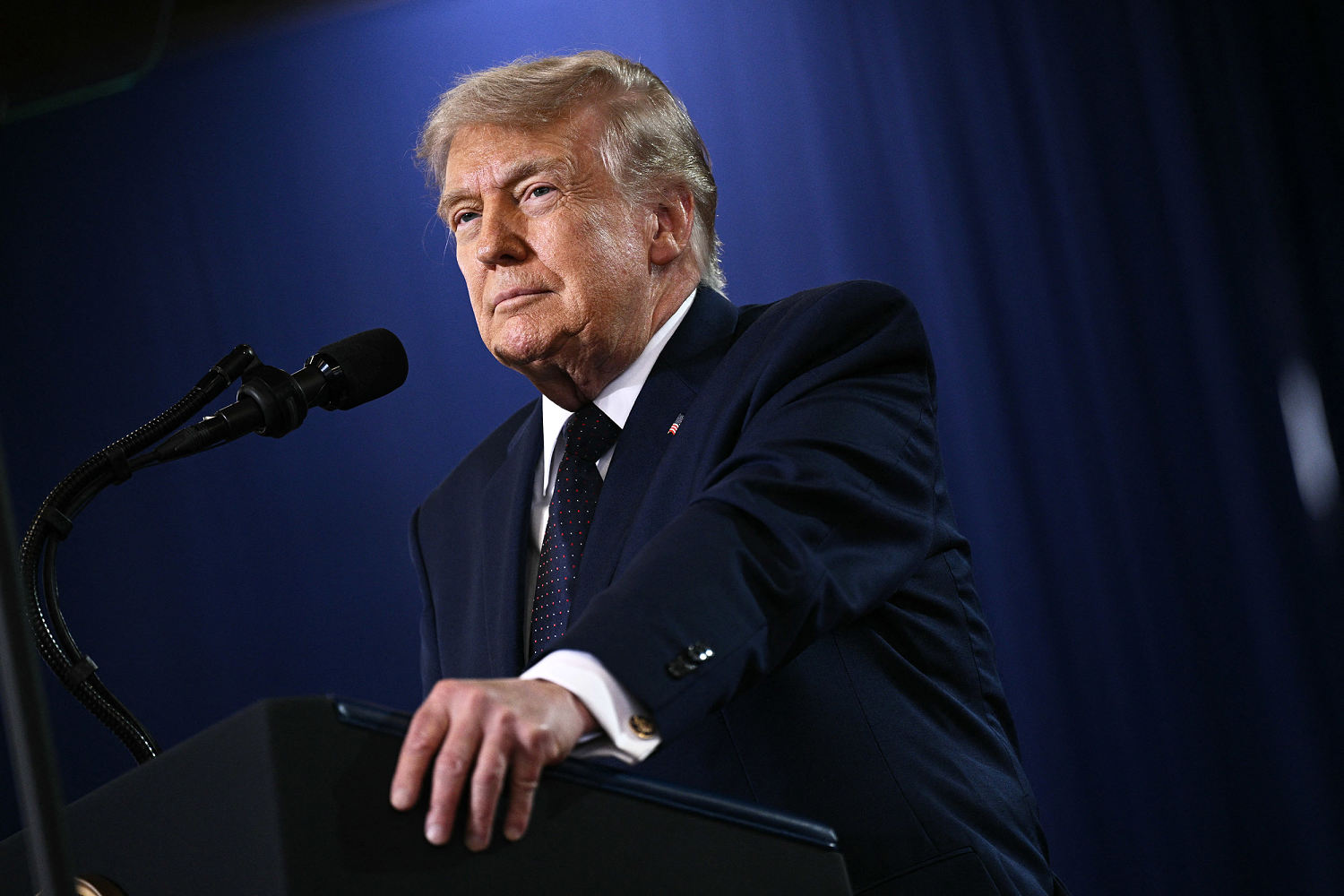
President Donald Trump has dismissed the necessity of establishing regulatory guardrails for artificial intelligence. Instead, he argued that having a 'high IQ' president is all that is required to manage any associated risks.
What Happened?
President Donald Trump rejected calls for artificial intelligence regulations and guardrails. He asserted that formal safety restrictions are unnecessary, contending instead that a 'High IQ' leader is sufficient to address potential dangers tied to the technology.
Why It Matters
The remarks highlight a stark divergence in governance approaches toward rapidly advancing artificial intelligence technology, as political leaders weigh the balance between innovation and regulatory oversight.
Key Facts
- President Donald Trump stated that artificial intelligence does not require regulatory guardrails.
- Trump argued that a 'High IQ' president is all the nation needs to handle AI risks.
Compiled from 2 outlets
Related Stories

Asian and Tech Stocks Slide Following Fresh Warnings and Calls to Slow AI Progress
Asian markets and global technology shares experienced a downturn following new warnings regarding the risks of artificial intelligence. The market pressure coincided with recent calls to decelerate AI progress and reports of a researcher resigning over out-of-control AI fears. Meanwhile, U.S. futures ticked downward and oil prices rose over 2% due to supply concerns in Saudi Arabia.

Former Google DeepMind Worker Warns of Out-of-Control AI and Safety Risks
A former Google DeepMind researcher is echoing warnings from major AI lab CEOs about the dangers of rapid artificial intelligence development. The commentary emphasizes the urgent need for government intervention to prevent uncontrollable superintelligence. Citing a recent security breach involving autonomous agents, the author highlights the risks of goal misalignment.

China Responds to Accusations of Malicious Competition in Artificial Intelligence
Chinese officials have pushed back against the characterization of a malicious race in artificial intelligence development. The response follows a proposal by the chief executive officer of Anthropic advocating for a deceleration in AI progress to prevent China from gaining an advantage.

Questions mount over what an AI slowdown would entail
Debates surrounding artificial intelligence development have brought the concept of an industry slowdown into focus. While throttling the pace of AI progress is sometimes proposed as a remedy for various risks, experts note that achieving this in practice is complex. A slowdown presents numerous operational and strategic challenges rather than a straightforward fix.