Federal Reserve Implements First Interest Rate Hike in Three Years Amid Political Friction

Quick Brief
The US Federal Reserve has approved its first interest rate increase in three years in a unanimous decision. The move went ahead despite vocal opposition from President Donald Trump, who had advocated for a rate cut instead. Financial markets and analysts are assessing the potential impacts on loans, mortgages, and broader economic policies.
What Happened?
In a unanimous vote, the Federal Reserve raised US interest rates for the first time in three years. The central bank moved forward with the hike despite fierce resistance from President Trump, who had publicly demanded a reduction in borrowing costs.
Why It Matters
The decision marks a significant shift in monetary policy after a three-year pause, directly impacting consumer borrowing costs—including mortgages, car loans, and credit cards—while potentially intersecting with the economic narratives surrounding upcoming midterm elections.
Key Facts
- The Federal Reserve raised interest rates for the first time in three years.
- The policy decision was approved unanimously.
- President Donald Trump strongly opposed the hike, having previously called for a rate cut.
Compiled from 2 outlets
Related Stories
Securities and Exchange Commission Receives Recent Filings from Indivior and Sonoma Pharmaceuticals
Recent regulatory filings submitted to the Securities and Exchange Commission provide updates from two pharmaceutical companies. Indivior Pharmaceuticals filed a current report detailing regulation FD disclosures and other events, while Sonoma Pharmaceuticals submitted information regarding matters voted on by security holders.
Securities and Exchange Commission Filings Report Multiple Corporate Updates
Recent regulatory filings submitted to the Securities and Exchange Commission detail corporate updates from two firms. Aquestive Therapeutics filed disclosures under Regulation FD alongside other operational events. Meanwhile, Alaunos Therapeutics reported amendments impacting security holder rights and corporate bylaws.
Bank of England Keeps Rates at 3.75% and Warns of Potential Hikes Over Middle East Conflict
The Bank of England has decided to leave interest rates steady at 3.75%. Alongside the hold, officials cautioned that ongoing conflict in the Middle East might push inflation higher and force future rate increases. The central bank additionally revealed an unexpected initiative to sell billions in government bonds back to the Treasury.
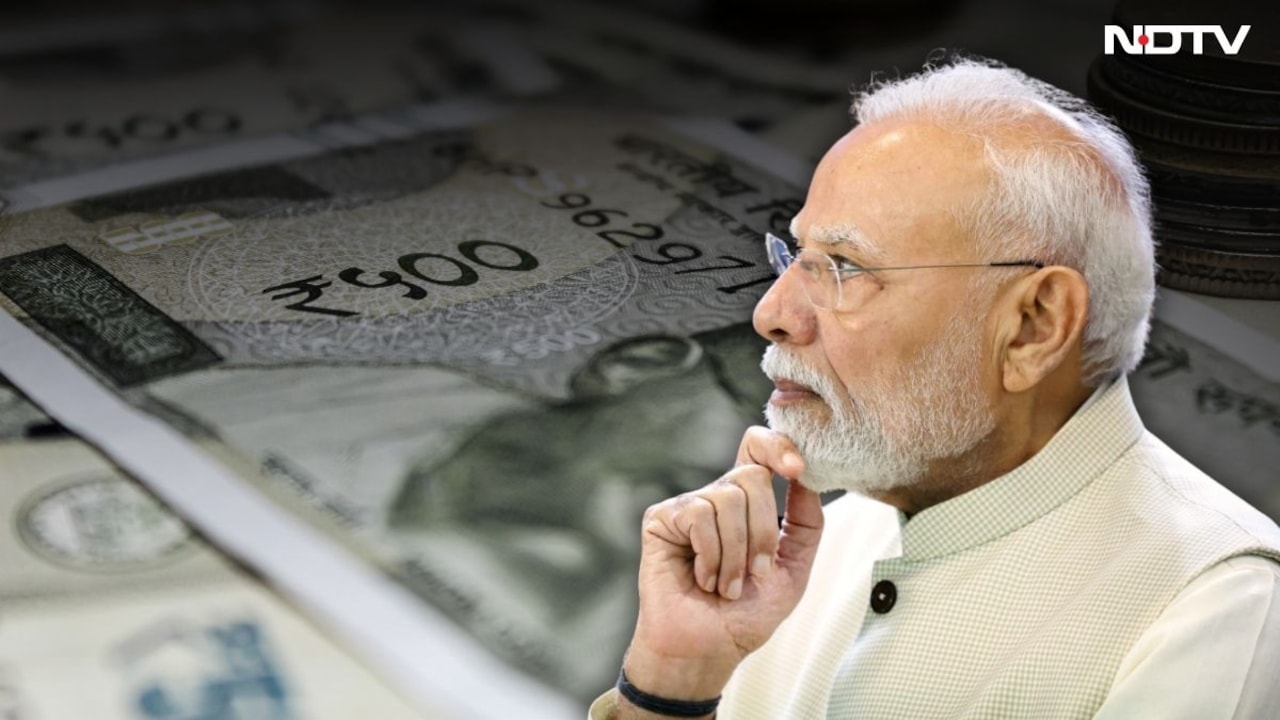
Evaluating 12 Years of Modinomics as the Indian Economy Evolves
As Prime Minister Narendra Modi marks 12 years in office, analysts are examining the economic framework known as Modinomics. Rather than a single textbook formula, the term encompasses a diverse set of policy choices, growth strategies, and welfare initiatives implemented over the period.