Home Depot Executive Highlights Scale of Organized Retail Crime Beyond Basic Shoplifting
Quick Brief
Retail theft has prompted many stores, particularly in New York City, to lock merchandise behind closed doors to combat shrinking inventory. However, according to Home Depot Vice President of Asset Protection Scott Glenn, routine shoplifting represents only a small part of a much larger organized retail crime problem facing major retailers.
What Happened?
During a discussion on retail shrink and inventory protection, Home Depot Vice President of Asset Protection Scott Glenn addressed how major retailers handle theft. He noted that while visible countermeasures like locking items behind closed doors aim to mitigate local shoplifting, these measures affect the customer experience while failing to capture the full scope of the underlying problem, which involves sophisticated organized crime rings.
Why It Matters
The growing prevalence of retail shrink forces major big box stores and local pharmacies to alter the in-store customer experience by locking up inventory. Understanding the distinction between basic shoplifting and large-scale organized retail crime is crucial for addressing the economic and operational pressures bedeviling modern retailers.
Key Facts
- Local pharmacies in New York City increasingly keep merchandise locked behind closed doors to deter shoplifting.
- Retail shrink and inventory protection strategies often require sacrificing aspects of the customer experience.
- Scott Glenn serves as the Vice President of Asset Protection at Home Depot.
- Basic shoplifting is described as just the tip of the iceberg regarding retail theft.
- Organized retail crime presents a significantly greater challenge to companies than isolated shoplifting incidents.
Compiled from 1 outlet
Related Stories

Supermarket chain Iceland to launch first UK high street store in Falkland Islands
The frozen food supermarket chain Iceland is set to open a new branch in the Falkland Islands capital of Stanley. Scheduled for early December, the launch makes Iceland the initial UK high street brand to establish a retail presence in the British territory. The venture is being executed through a partnership with local business Kelper Stores.

Former Banker Loses Legal Bid to Sue Ferrari Over Hong Kong Crash
A former London-born banker has failed in his legal attempt to sue Ferrari for millions of pounds. He claimed that faulty brakes caused a severe crash in Hong Kong, which resulted in a 14-month prison sentence and the destruction of his career.

India Proposes RBI-Backed Digital Currencies to Streamline BRICS Cross-Border Payments
India is reportedly advocating for BRICS nations to connect their central bank digital currencies for cross-border transactions. The proposal aims to significantly lower transaction expenses and minimize reliance on traditional banking intermediaries.
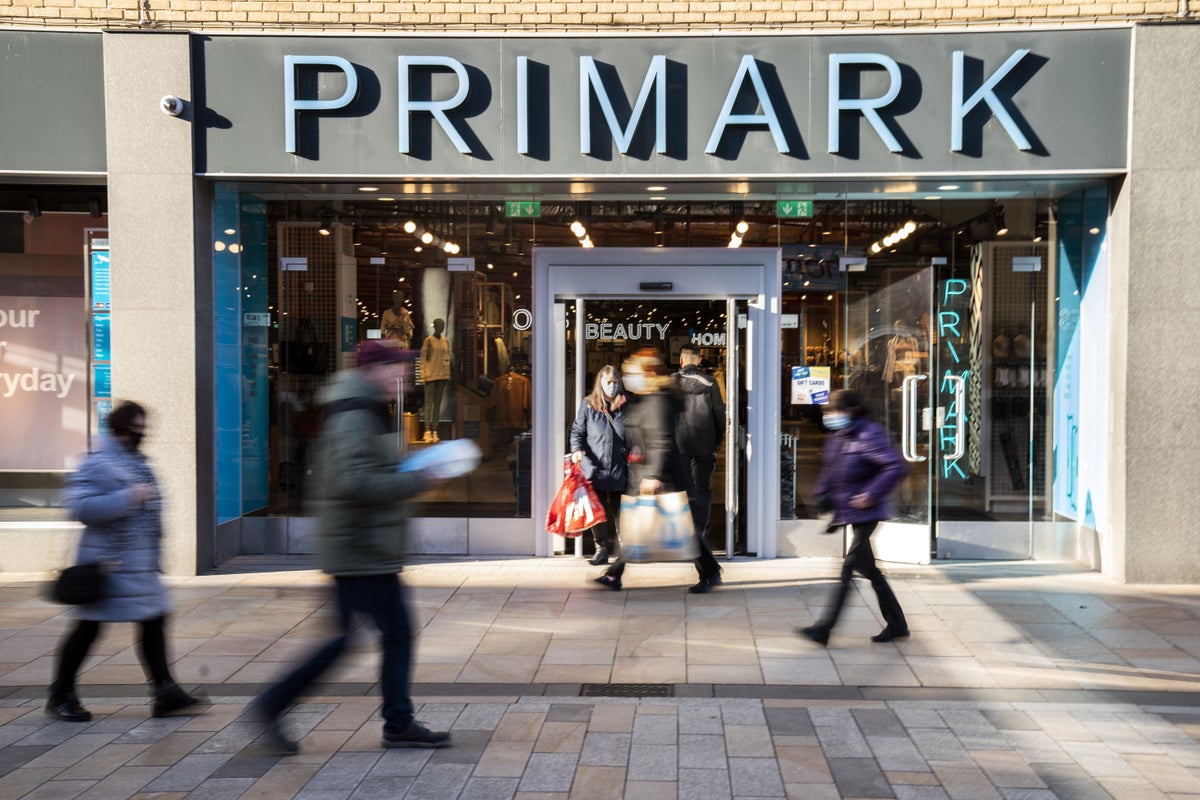
Primark Prepares to Launch UK Home Delivery Following Warehouse Purchase
Fashion retailer Primark is preparing to launch a home delivery service for customers in the UK. The company's owner has acquired a new warehouse located in Sheffield to facilitate these upcoming delivery operations.