China's Carbon Emissions Drop Amid Iran Conflict Sparking Decarbonisation Hopes

Quick Brief
China experienced a 1% decline in carbon dioxide emissions following the outbreak of the US-Israeli war on Iran. The drop was driven by significantly lower oil consumption and increased adoption of electric vehicles and public transit. Analysts suggest this trend highlights the buffering effect of clean energy against Strait of Hormuz price shocks.
What Happened?
Following the outbreak of the US-Israeli war on Iran, China's carbon dioxide emissions decreased by 1%. According to analysis reports, this reduction was achieved through a steep drop in oil consumption alongside steady growth in public transportation and electric vehicle usage. These dynamics helped insulate the world's leading oil importer from price shocks stemming from the crisis in the Strait of Hormuz.
Why It Matters
As the world's largest emitter of greenhouse gases and its largest oil importer, China's shift toward clean energy during a geopolitical oil crisis strengthens optimism that the nation might be approaching a pivotal decarbonisation watershed. Analysts indicate that oil demand could remain subdued even if crude prices eventually drop.
Key Facts
- China's carbon dioxide emissions fell by 1% following the start of the US-Israeli war on Iran.
- The reduction was fueled by a sharp decline in oil consumption.
- Electric vehicle sales and public transport usage experienced a steady rise during the period.
- Clean energy helped cushion the world's largest oil importer against price shocks from the Strait of Hormuz crisis.
- Analysts note that oil demand may not fully recover even if crude prices fall.
Compiled from 2 outlets
Related Stories

UN Report Warns Global Warming Will Exceed Limit and Details Path to Recovery
A recent United Nations report has stated that global warming is set to exceed critical temperature limits. However, the documentation also outlines a strategic path to bring temperatures back down below the danger zone.

UN Declares Climate Change Past the Point of No Return
The United Nations has stated that climate change has moved past the point of no return. According to the organization, the worst impacts of global warming are now unavoidable.
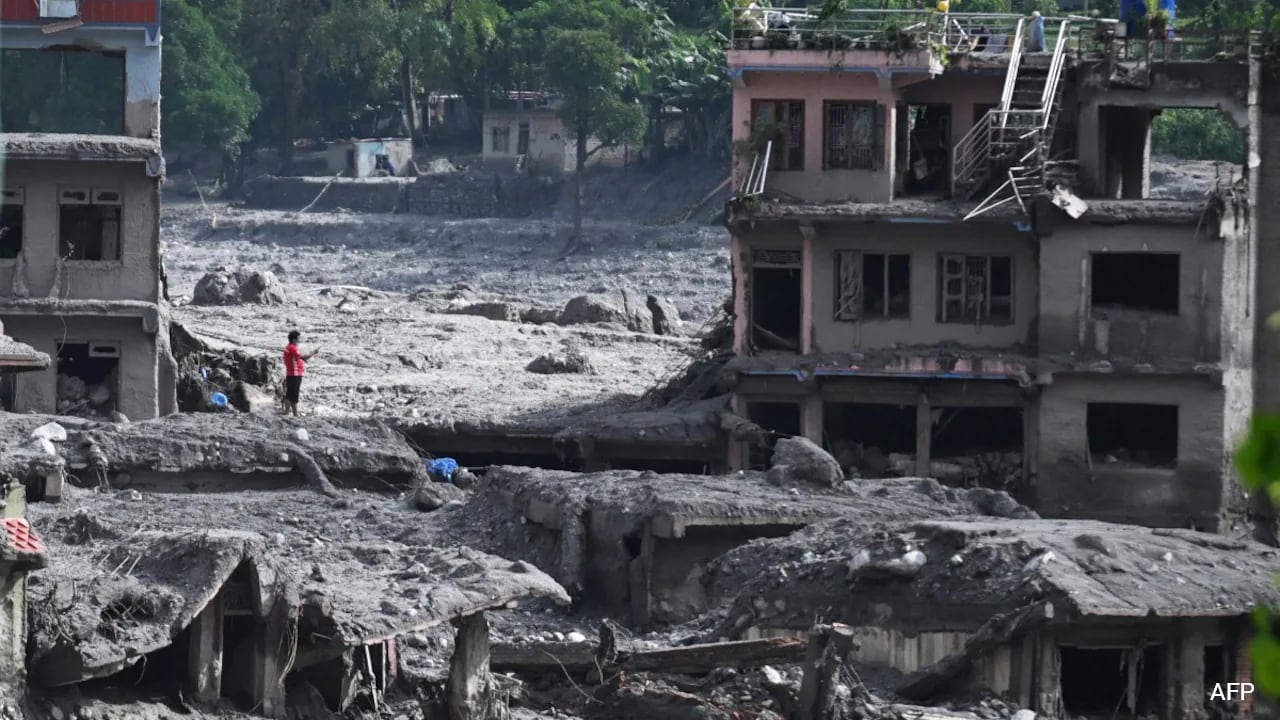
Nepal Demands Climate Justice and Moral Liability from Major Nations Following Severe Flooding
Following severe flooding, Nepal is pressing large nations to recognize post-disaster aid as a matter of moral liability. Foreign Minister Shisir Khanal emphasized the obligations of major countries in addressing climate-induced disasters.

UN Warns Global Heating Will Reach at Least 1.8C with No Good Outcomes
The United Nations has issued a grave warning regarding global temperature increases. According to the report, global heating is projected to hit at least 1.8C. Officials caution that this trajectory leaves no good outcomes.