Natural Carbon Emissions from Feedback Loops Could Amplify Global Warming by 30%
Quick Brief
A recent scientific paper warns that rising global temperatures are triggering natural greenhouse gas releases from ecosystems like forests, wetlands, and tundra. These ecological feedback loops could amplify global heating by as much as 30%.
What Happened?
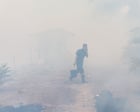
A newly published study reveals that fossil fuel-driven temperature increases are fundamentally altering ecosystems worldwide. Phenomena such as thawing permafrost in high latitudes, intensified wildfires in drying forests, and warming lakes are releasing trapped carbon dioxide and methane back into the atmosphere.
Why It Matters
The findings highlight a dangerous cycle in which human-caused climate change triggers natural emissions, accelerating the global crisis beyond standard projections and compounding the difficulty of meeting climate targets.
Key Facts
- Natural carbon and methane releases could worsen global warming by up to 30%.
- Thawing permafrost, intense wildfires, and warming lakes are driving the emissions.
- Greenhouse gases previously locked safely in trees and soils are being freed as ecosystems transform.
- The process is driven by rising global temperatures linked to the burning of fossil fuels.
Compiled from 1 outlet
Related Stories
Clean Electricity Transition Could Trigger Cascading Global Climate Solutions, Study Finds
A recent scientific analysis highlights that a swift global transition toward clean electricity could ignite a cascade of environmental recovery. The report focuses on positive tipping points where sustainable practices and technologies become self-propelling through falling costs and rising popularity.

War's Environmental Toll in Southern Lebanon Threatens Rare Wildlife Habitats
While human casualties and structural ruins dominate reports of the conflict in southern Lebanon, environmentalists are shedding light on a severe ecological toll. Repeated large-scale detonations are shattering ancient limestone habitats that have sheltered species like the Syrian rock hyrax for centuries. Local conservation groups are actively documenting the widespread damage to forests and fragile ecosystems.
Unseasonal Dust Storm Blankets Mali and Neighboring Region
A large plume of dust has covered parts of Mali and neighboring West African countries. The meteorological event arrived during a time of year when dust storm activity usually begins to wind down.
August 2026 Tied as Joint-Hottest Month in History
Global temperatures for August reached 1.65 degrees Celsius above preindustrial levels, tying with July 2023 as the joint-hottest month ever recorded globally. The EU’s Copernicus Climate Change Service reported the milestone alongside record-high sea surface temperatures. Scientists warn that additional heating is expected as the El Niño system approaches full strength.