Nepal Flood Disaster Offers Critical Climate Monitoring Lessons for India
Quick Brief
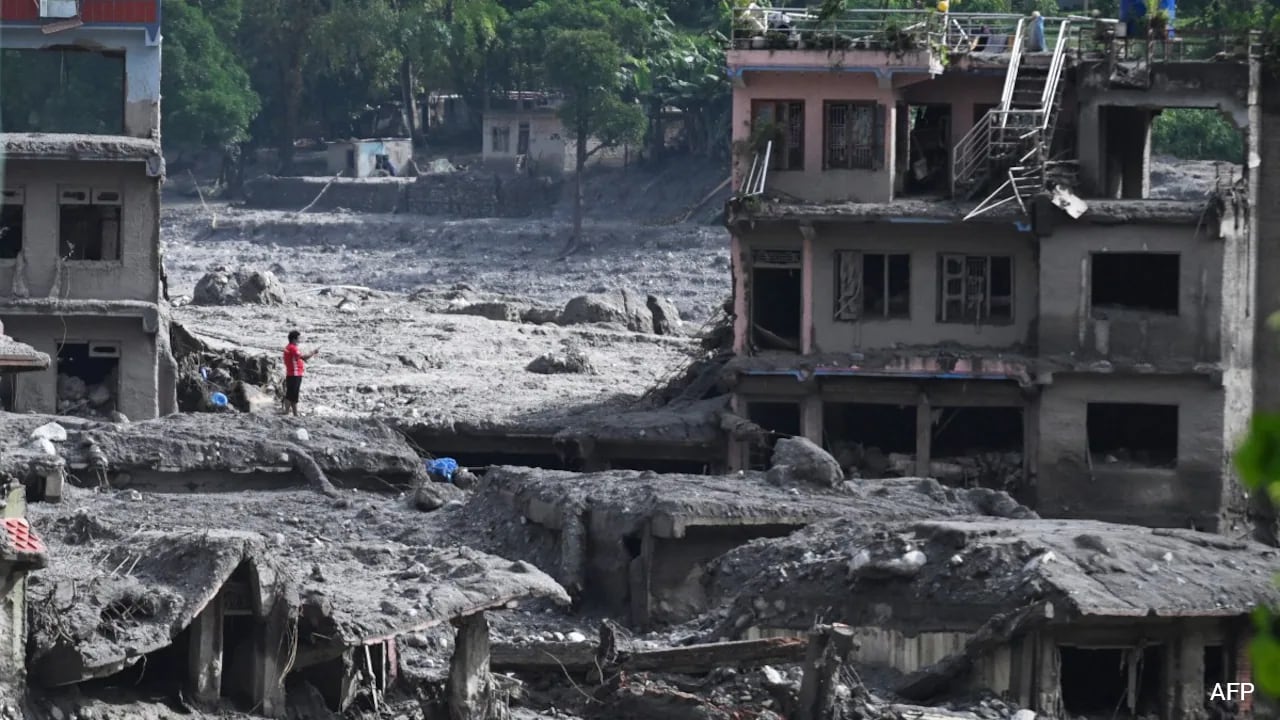
The recent flood disaster in Nepal highlights crucial lessons for neighboring India regarding disaster management. Experts emphasize the urgent need for enhanced monitoring, forecasting, and communication systems to address compounding climate threats.
What Happened?
The combined impacts of El Nino and climate change have accelerated glacier melting, triggering dangerous conditions that lead to severe multi-hazard incidents such as the Nepal floods.
Why It Matters
As climate change continues to destabilize Himalayan ecosystems, cross-border vulnerabilities make these multi-hazard events an urgent warning for India to upgrade its disaster preparedness and early warning infrastructure.
Key Facts
- The disaster in Nepal was driven by accelerated glacier melting.
- Climate change and El Nino combined to create conditions ripe for multi-hazard incidents.
- India is urged to focus on three core areas: monitoring, forecasting, and communication.
- The event serves as an important regional case study for disaster risk mitigation.
Compiled from 1 outlet
Related Stories
Wet Weather Brings Rain to the UK While Drought Conditions Persist Across England and Wales
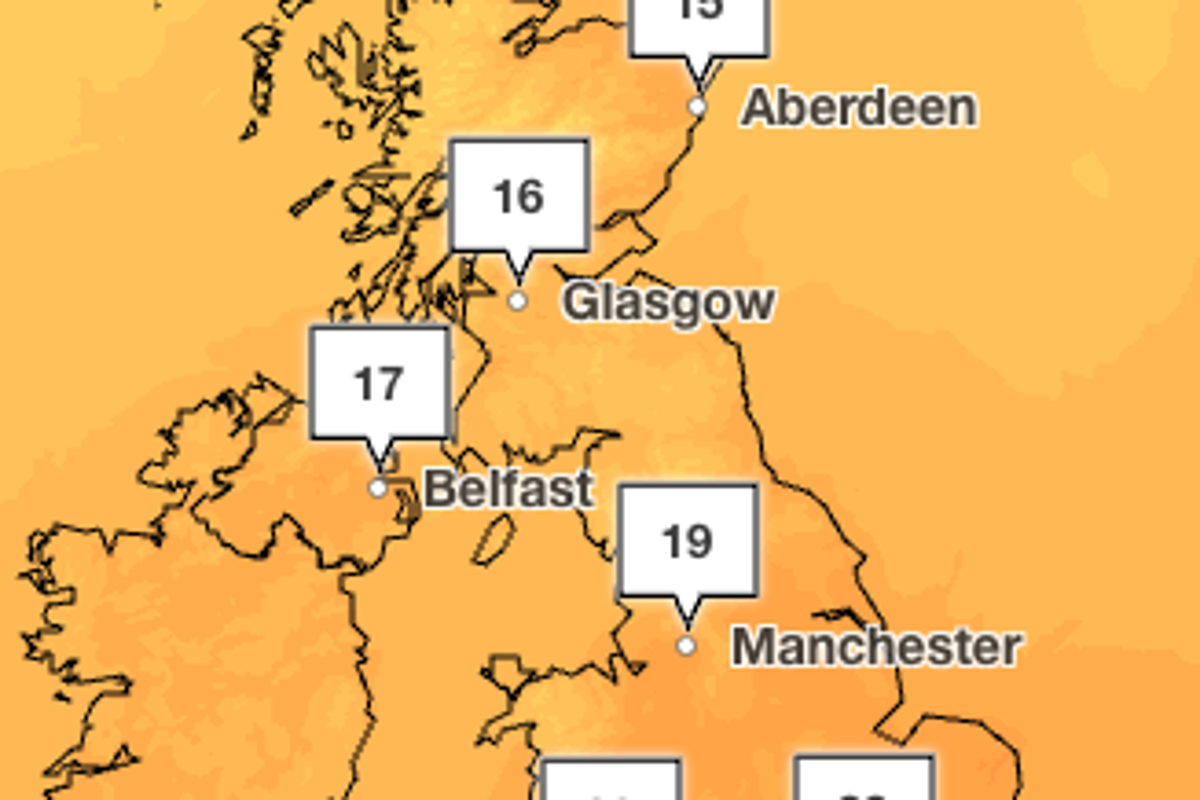
Recent wet weather has brought rainfall to parts of the UK. However, despite the precipitation, most of England and the entirety of Wales are still experiencing drought conditions.

Transition Away From Oil Risks Triggering Global Conflict and Migration
New research indicates that the global transition away from oil could trigger widespread conflict, migration, and economic instability. Nations heavily dependent on petroleum revenues face severe disruption without urgent international assistance to diversify their economies. Researchers emphasize the need for proactive support to protect vulnerable populations in these regions.

UK Government Formally Recognizes India's Carbon Credit Scheme Under Carbon Border Mechanism
The United Kingdom has officially integrated India's carbon credit framework into its carbon tax mechanism. This decision allows UK importers of qualifying Indian commodities to pursue carbon price relief. The move marks a notable development in bilateral environmental policy and trade compliance.

New Heat Vulnerability Index Ranks Great Britain's Most At-Risk Cities
A new research initiative has evaluated urban areas across Great Britain to determine which locations are most susceptible to extreme heat and urban heat island effects. Portsmouth has been identified as the most vulnerable city currently and looking toward the future. The findings are the result of collaborative analysis by Ordnance Survey, the Met Office, and 4 Earth Intelligence.