Glacial Floods in Nepal and Tibet Highlight Severe Global Climate Injustices
Quick Brief
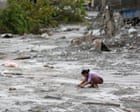
Recent glacial collapses and subsequent floods in Nepal and Tibet have resulted in hundreds of fatalities and thousands of missing persons. Experts attribute the catastrophe to accelerating climate change driven by global emissions. The tragedy highlights stark inequities, contrasting sharply with better-equipped nations where early-warning systems prevent casualties.
What Happened?
A glacial collapse triggered catastrophic floods across Nepal and Tibet, destroying settlements, villages, and livelihoods within minutes. The disaster resulted in hundreds of deaths and left thousands missing, exacerbated by a lack of early-warning systems.
Why It Matters
The disaster underscores the unequal impact of global climate disruption, disproportionately harming vulnerable populations in regions least responsible for carbon emissions. It demonstrates how a lack of infrastructure and early-warning systems can turn natural hazards into mass-casualty events compared to better-prepared countries.
Key Facts
- Glacial collapse and floods struck Nepal and Tibet, causing extensive destruction.
- The disaster resulted in hundreds of deaths and thousands of missing people.
- Experts point to unprecedented melting of Himalayan glaciers driven by climate change as the root cause.
- The absence of early-warning systems severely worsened the loss of life, unlike similar incidents in well-prepared regions like Switzerland.
Compiled from 1 outlet
Related Stories

Video Explainer Details Rise of Climate Denialism in Second Trump Administration
Despite the scientific consensus surrounding the climate crisis, climate change denialism has gained influence at the highest levels of the US government. A video explainer by The Guardian details how these perspectives have shaped current environmental policies under the second Trump administration.

Toxic Wildfire Haze Blankets South East Asia Amid Intense El Niño
An intensifying super El Niño has triggered toxic wildfire haze across South East Asia, exposing millions of people to dangerous smog. Health impacts are already mounting, with over 12,000 children affected by respiratory illnesses.
Forecasters Warn El Niño Weather Patterns Set to Peak and Last Through Spring 2027
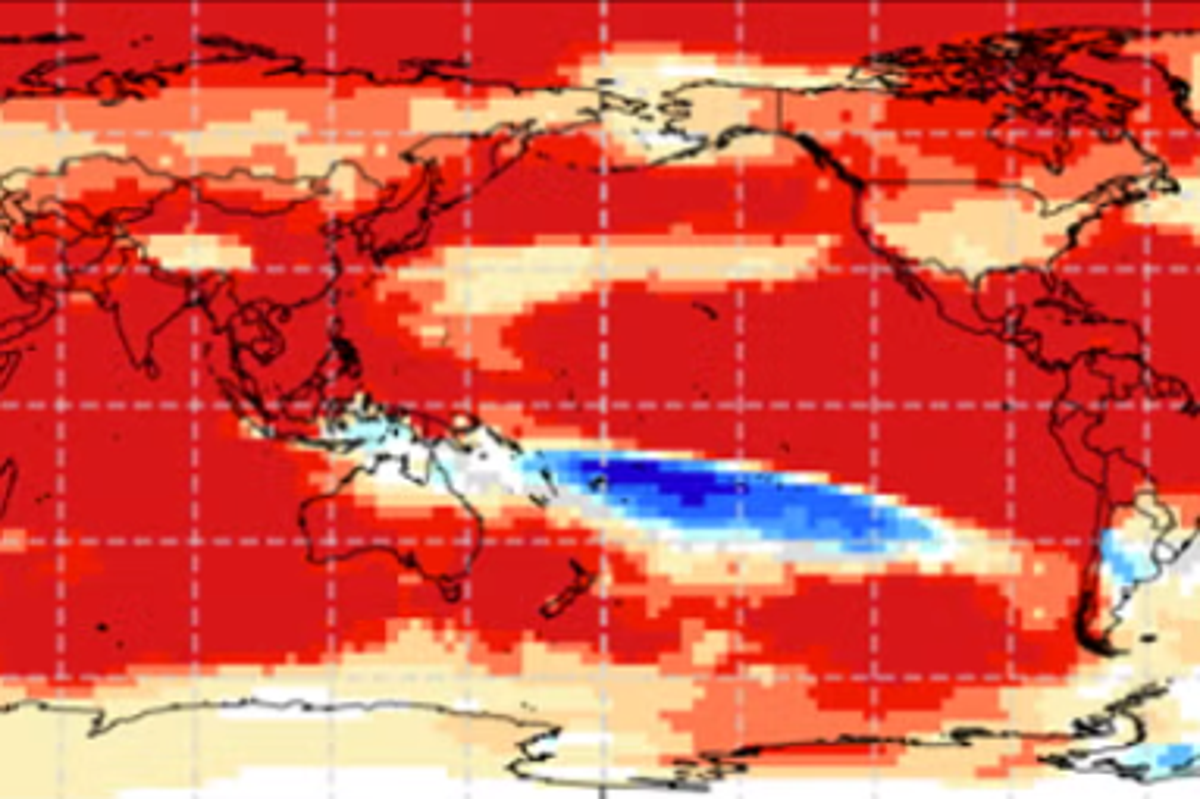
Meteorologists have issued warnings regarding the upcoming progression of El Niño weather systems. The phenomenon is anticipated to reach its peak intensity late this year. Forecasters project that these extreme weather conditions will continue to impact regions until spring 2027.
African Conservationists Train in South Africa to Deploy Thermal Drones for Wildlife Protection
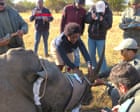
Conservation professionals from across 11 African countries have gathered at the Lapalala Wilderness nature reserve in South Africa's Limpopo province. The group is participating in a hands-on thermal drone training demonstration led by instructor Jacques Viljoen. The participants earned their spots through a Connected Conservation Foundation online training program.