Researchers and Inuit Communities Race to Study and Protect the Unique North Water Between Canada and Greenland
Quick Brief
Researchers and local residents in Grise Fiord, Nunavut, are racing to study the North Water polynya before global climate shifts alter the habitat. The region is the focus of a bold proposal to establish an Inuit-run protected area to safeguard the unique ecosystem.
What Happened?
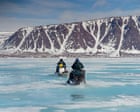
In Grise Fiord, Nunavut's northernmost public community, residents like Terry Noah are utilizing custom-built equipment such as winches to lower submersible instruments through sea ice into the waters below. This field research is part of an urgent effort to understand and document the North Water, a vital Arctic habitat located between Canada and Greenland, before environmental changes take hold.
Why It Matters
The North Water represents a critical Arctic habitat facing unique threats from global heating, which could paradoxically destabilize the region by causing more ice issues rather than less. Establishing an Inuit-run protected area highlights the vital role of Indigenous leadership in preserving fragile polar ecosystems.
Key Facts
- The research takes place in the North Water region situated between Canada and Greenland.
- Grise Fiord in Nunavut serves as Canada's northernmost public community, with a population of 144 people.
- Locals such as Terry Noah utilize custom winches to lower submersibles through seal breathing holes in the sea ice for data collection.
- A bold initiative is underway to establish an Inuit-run protected area to manage and conserve the habitat.
Compiled from 1 outlet
Related Stories
Peatland Fires Spread Across Drought-Stricken Indonesia
Severe drought conditions in Indonesia have sparked intense peatland fires. These blazes are burning both above and below the surface, sending thick smoke into the skies.
China's Decreased Oil Demand Controls Carbon Emissions Amid Conflict
The widespread adoption of electric vehicle charging stations across China has successfully shifted the nation's climate trajectory. Millions of drivers switched from gasoline pumps as the Iran War caused global fuel prices to surge. This drop in oil consumption has played a major role in keeping domestic emissions in check.
Australia's Environmental Agency Approves Saraji Coal Mine Extension
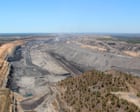
Australia's newly established environmental protection agency has granted its first coal project approval, allowing the Saraji open-cut mine in Queensland to operate until 2055. The decision permits the extraction and export of steel-making coal while impacting local threatened woodland and koala habitats. This approval has sparked considerable anger among climate advocates.
UN Warns Global Warming Will Exceed 1.5C Limit Within Years, Urges Immediate Action
A recent United Nations report warns that global temperature increases will surpass the critical 1.5C threshold within a few years, leading to at least 1.8C of global heating. Described as a 'fight for humanity,' the UN emphasizes that preventing a complete climate catastrophe requires immediate and decisive action. Although the world is currently falling short of its primary climate goals, the report also outlines specific pathways to eventually bring temperatures back below the danger zone.