Turkmenistan Begins Repairs to Plug Massive Methane Leaks
Quick Brief
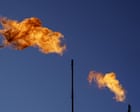
Turkmenistan has begun plugging massive methane leaks originating from its ageing oil and gas infrastructure, according to recent UN data. Previously identified as a major source of greenhouse gas emissions, the secretive nation's actions have been welcomed as a critical environmental breakthrough.
What Happened?
According to the latest United Nations data, Turkmenistan has begun fixing mega-leaks of methane stemming from its ageing oil and gas facilities. The country had previously been identified as a leading global contributor to leaks of the potent greenhouse gas.
Why It Matters
Methane is a potent greenhouse gas that traps 80 times more heat than carbon dioxide and accounts for 25% of current global heating. Because it degrades in the atmosphere much faster than CO2, addressing leaks provides a rapid climate impact that experts describe as an 'emergency brake.'
Key Facts
- Turkmenistan has started plugging methane mega-leaks at its ageing oil and gas facilities.
- The development is highlighted by the latest UN data and has been described as a breakthrough.
- Methane is a potent greenhouse gas trapping 80 times more heat than carbon dioxide.
- The gas currently drives 25% of global heating.
- Stopping leaks can be fast and inexpensive, delivering rapid atmospheric benefits.
Compiled from 2 outlets
Related Stories
Hurricane Karina Intensifies in the Pacific as Forecasters Track Potential Southern California Impact
Hurricane Karina has rapidly escalated into a major Category 3 storm in the Pacific Ocean far from land. Meanwhile, forecasters are watching the possibility of a hurricane forming near Southern California this week.
New Report Warns Global Coral Reef Coverage Faces Risk of Irreversible Decline
A recent report has issued a stark warning regarding the future of global coral reefs, highlighting a severe risk of irreversible decline. Although these ecosystems cover only a tiny fraction of the ocean floor, they support a massive proportion of marine life.
Nepal Flash Floods Spark Warnings Over Himalayan Infrastructure Spree
Recent flash floods in Nepal have prompted severe warnings from the scientific community regarding rampant infrastructure development across the Himalayan region. Geo-scientists point out that uncontrolled construction worsens already unstable slopes and degrades river efficiency. Experts emphasize that ecological consequences are frequently ignored in current development sprees.

UK Proposed Solar Bonds Offer Cheaper Financing Model for Rooftop Panels
A newly proposed financial model in the UK aims to utilize "solar bonds" to lower the cost of installing rooftop solar panels for homeowners. The system relies on property-attached loans funded by investors seeking modest, guaranteed returns. This approach addresses high-interest financing hurdles that often deter households from adopting solar technology.