Menswear Divides into 'Dad' and 'Dude' Styles Highlighted at US Open

Quick Brief
Contemporary menswear is increasingly defined by two distinct aesthetic clans: the restrained 'dad' look and the bolder 'dude' style. This style dichotomy was recently on display off the court at the US Open. Tennis figures like Roger Federer and Carlos Alcaraz exemplified these contrasting approaches through their choice of attire.
What Happened?
A fashion divide between two distinct menswear clans—'dads' and 'dudes'—has drawn attention, notably during off-court appearances at the US Open. The 'dad' aesthetic leans toward straight lines, trim cuts, tucked-in shirts, and muted color palettes, as demonstrated by Roger Federer in a monochromatic navy ensemble. Conversely, the 'dude' style embraces baggier silhouettes, vibrant colors, and playful footwear, exemplified by Carlos Alcaraz in an untucked maroon vest and colorful trainers.
Why It Matters
This stylistic split illustrates the broader, competing aesthetic forces currently driving contemporary menswear trends and celebrity fashion choices.
Key Facts
- Menswear is currently dominated by two style clans known as 'dads' and 'dudes'.
- The 'dad' look favors straight lines, trimmed cuts, and muted color schemes.
- The 'dude' style prefers baggier clothing, adornments, and vibrant colors.
- Roger Federer showcased the 'dad' style at the US Open wearing a trim, tucked-in navy blue polo and matching accessories.
- Carlos Alcaraz displayed the 'dude' style at the tournament wearing an untucked maroon Nike vest and colorful trainers.
Compiled from 1 outlet
Related Stories
How Polyester Became Generation Z's Newest Slang Insult for Cheap Trends
Generation Z has adopted the synthetic textile polyester as a new derogatory slang term, applying it to cheap-looking digital content and perceived lack of taste on platforms like TikTok. This linguistic trend parallels a tangible consumer pushback against the material due to its heavy association with fast fashion and ultra-cheap retailers like Shein. As the world's most-produced synthetic fiber, polyester faces a rising tide of literal and figurative criticism.
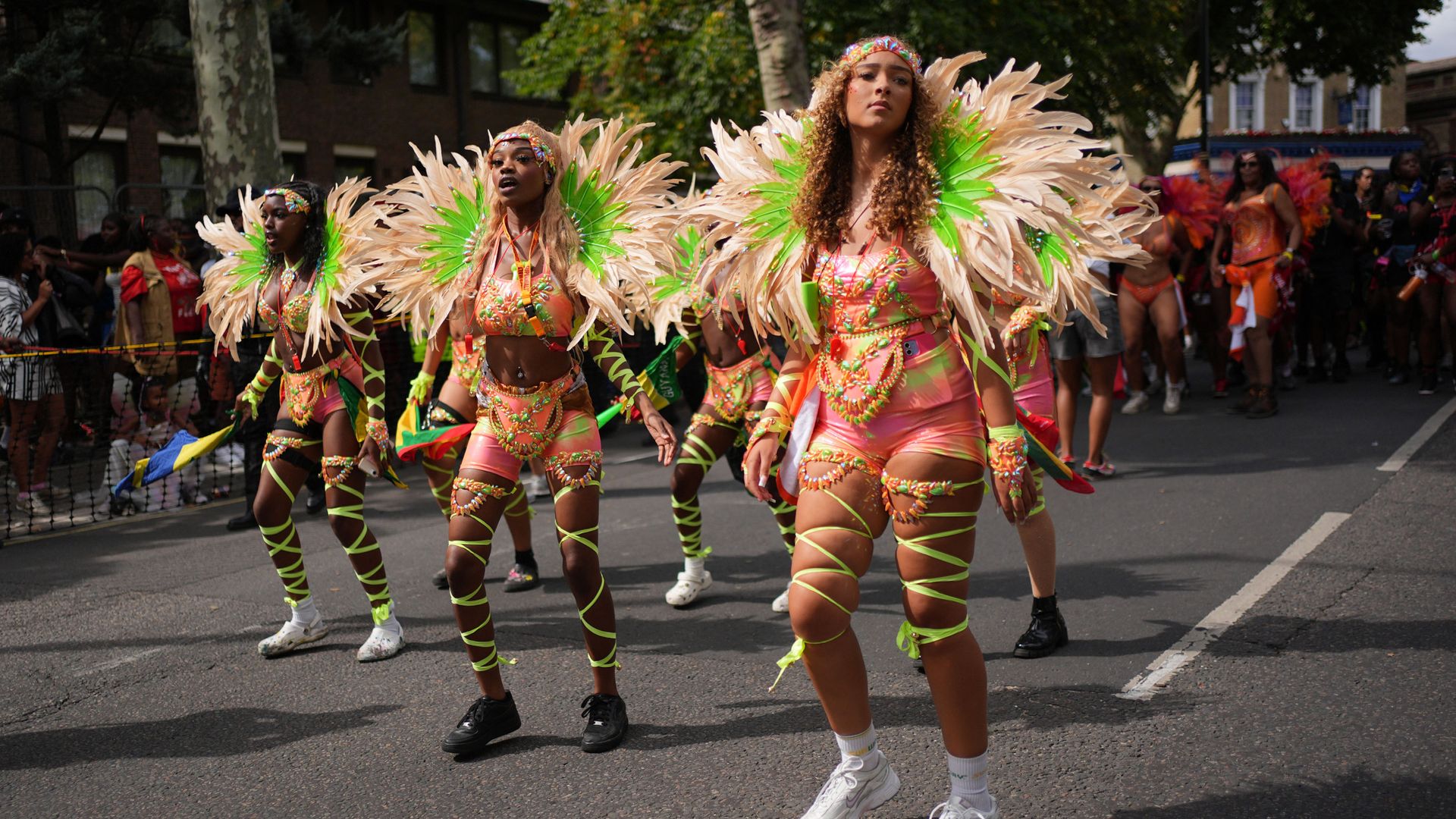
Notting Hill Carnival Under Way in West London Despite Over 150 Arrests
Europe's largest street party, the Notting Hill Carnival, is currently under way in west London. The massive cultural celebration is expected to draw millions of visitors, though organizers and officials have noted 169 arrests surrounding the event.

Trace Meek Captures Memorable Backyard Photo in Belleair Bluffs
Trace Meek captured a standout smartphone photograph during a Fourth of July gathering in his Florida backyard. The image features a blend of elements including a dog, a hat, and a foot tattoo. Meek and his wife have spent a decade cultivating the backyard space as a device-free family haven.

Kids' Quiz Challenges Readers With Questions on Nature and Dinosaurs
A new multiple-choice quiz designed by children tests general knowledge with five questions covering topics like the color of grass and prehistoric dinosaurs. The feature also invites readers to submit their own junior brainteasers for upcoming editions. The initiative is associated with Molly Oldfield, host of the Everything Under the Sun podcast and author of related quiz books.