Medical Professionals Push Back Against Surveillance Solutions Following Thirlwall Report
Quick Brief
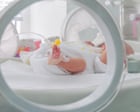
Following the release of the Thirlwall report regarding the Lucy Letby case, medical professionals are pushing back against suggestions to install surveillance cameras on cots and insulin fridges. Critics emphasize that infant lives in neonatal intensive care units are safeguarded by trained staff, frequent consultant rounds, and adequately resourced facilities rather than electronic monitoring devices.
What Happened?
In response to the Thirlwall report concerning the Lucy Letby case, retired medical professionals have publicly argued against the implementation of cameras on cots and medical refrigerators in neonatal intensive care units, asserting that high-standard clinical care relies on human expertise.
Why It Matters
The debate highlights differing perspectives on how best to reform and secure neonatal units following critical safety inquiries, weighing technological surveillance against fundamental investments in staffing and medical resources.
Key Facts
- The discussion follows the release of the Thirlwall report regarding the Lucy Letby case.
- Critics argue that cameras on cots and insulin fridges are not the solution for neonatal unit safety.
- Medical experts emphasize the importance of twice-daily rounds by consultant neonatologists.
- Properly resourced units and trained neonatal nurses are highlighted as essential safeguards for infants.
Compiled from 1 outlet
Related Stories
Australian Health Officials Scramble After Discovering Rigid Rules Prevented Overrides for Aged Care Algorithm
Senior health officials in Australia experienced severe turmoil just days before rolling out an aged care funding algorithm after discovering that proposed regulations legally barred assessors from overriding the tool's decisions. Newly released freedom of information emails show that assessors had long been assured they could change incorrect automated outcomes, despite the strict drafting of the legislation.
New South Wales Establishes Paediatric Trauma Institute Following Bondi Attacks
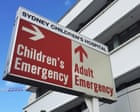
New South Wales is launching a dedicated facility to enhance emergency medical care for severely injured children. The decision follows recent high-profile trauma events in the state, including the Bondi attacks. The institute will be situated at the Sydney Children’s Hospital in Randwick.

Thirlwall Inquiry Report Highlights Severe Failures in NHS Management Following Letby Case
The newly published Thirlwall inquiry report has exposed systemic failures and a culture of defensiveness within National Health Service management. According to the findings, doctors who raised safety concerns were frequently rebuked and threatened with regulatory action. British Medical Association representatives are now echoing calls to introduce proper regulation for non-medical healthcare managers.

Abortion Bans Undermine Evidence-Based Maternal Healthcare, Report Warns
A new special statement from the Society for Maternal-Fetal Medicine highlights the challenges clinicians face in states with abortion restrictions. The report warns that legal limits prevent doctors from practicing standard-of-care, evidence-based medicine. Currently, about 41 states enforce some level of abortion restriction.