New Zealand Approves MDMA Treatment for Severe PTSD

Quick Brief
New Zealand's drug regulatory body, Medsafe, has granted approval for two psychiatrists to prescribe pharmaceutical-grade MDMA for severe post-traumatic stress disorder. This decision makes New Zealand the second country globally to approve the psychedelic substance for therapeutic use, following Australia's similar authorization in 2023.
What Happened?
Medsafe approved the use of pharmaceutical-grade MDMA for individuals suffering from severe post-traumatic stress disorder. Two psychiatrists successfully secured the authorization, marking a major regulatory shift in the country's approach to mental health treatment.
Why It Matters
The decision represents a significant milestone in the therapeutic use of psychedelics for mental health conditions. By joining Australia as one of the few nations to approve MDMA for medical treatment, New Zealand opens new clinical pathways for patients with treatment-resistant or severe trauma conditions.
Key Facts
- Medsafe is New Zealand's pharmaceutical regulatory body.
- Two psychiatrists won approval to prescribe pharmaceutical-grade MDMA.
- The treatment is specifically intended for individuals with severe PTSD.
- New Zealand is the second country worldwide to approve MDMA for PTSD.
- Australia previously approved psychedelics for PTSD and treatment-resistant depression in 2023.
Compiled from 1 outlet
Related Stories
Growing Scrutiny and Social Stigma Surround Mass-Prescribed GLP-1 Medications
The widespread prescription of GLP-1 medications has triggered growing public scrutiny and social debate. Experts are increasingly calling for safer weight loss practices as patients report facing intense social shaming and pressure regarding their use or non-use of the drugs.
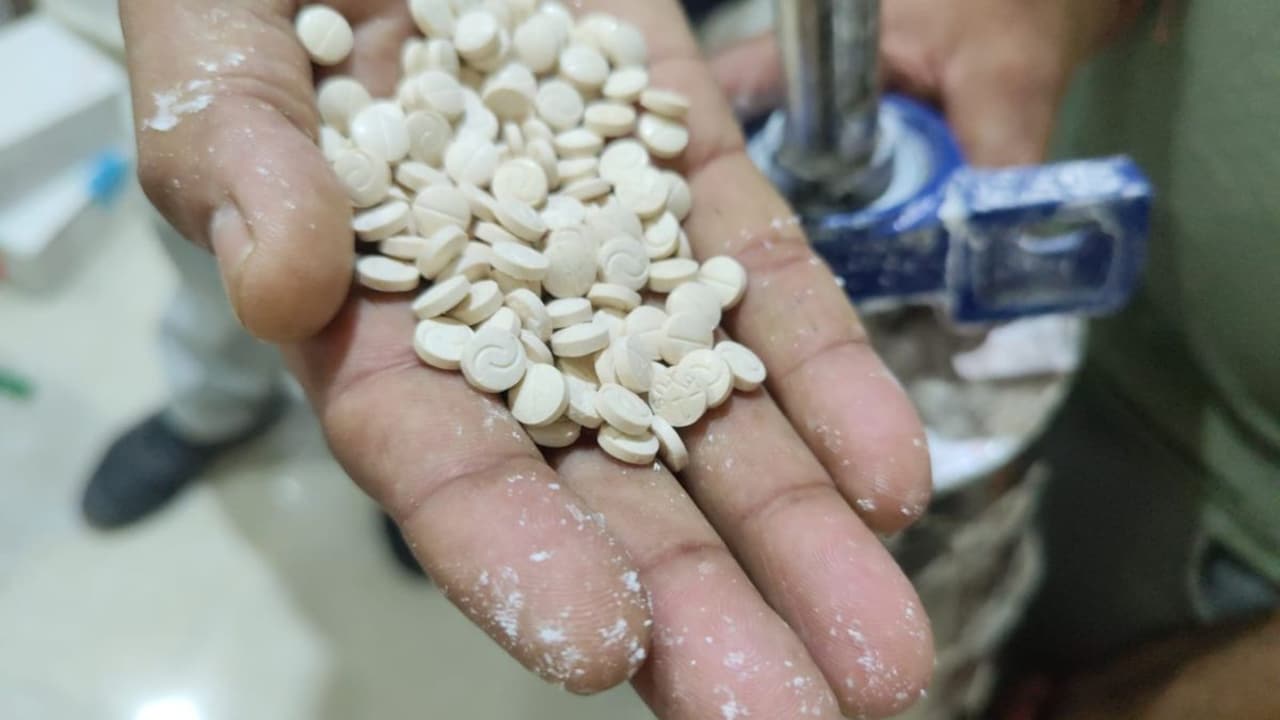
New Zealand Approves MDMA Prescription for Severe PTSD Treatment
New Zealand health authorities have granted approval for two psychiatrists to prescribe pharmaceutical-grade MDMA. The substance will be used to treat patients suffering from severe post-traumatic stress disorder. This decision marks a significant shift in the medical application of the psychoactive compound.
Scientific Study Reveals Inaccuracies in Smartwatch Calorie Tracking
Recent scientific research highlights significant inaccuracies in how smartwatches measure calorie burn during physical activity. Evaluating four major brands, studies indicate that users cannot fully trust these health metrics, with Garmin showing the least accurate performance.
Roche to Expand Testing Capacity Amid Congo Ebola Outbreak
Roche Holding AG is deploying new laboratory equipment to the epicenter of the Democratic Republic of Congo's Ebola epidemic. The move comes as health authorities face ongoing challenges in containing a virus that has repeatedly outpaced the local response. The expansion aims to bolster diagnostic capabilities in the heavily affected Ituri region.