Understanding the Causes and Treatments for Excessively Oily Hair

Quick Brief
Dealing with persistently greasy hair can be frustrating, but several underlying factors are typically to blame. Genetics, hormonal fluctuations, and everyday lifestyle habits often contribute to excess oil production. Fortunately, various treatments and products are available to help manage oily hair.
What Happened?
Reports indicate that oily hair is primarily driven by a combination of genetic predispositions, hormonal imbalances, and lifestyle choices that stimulate sebum production on the scalp.
Why It Matters
Identifying the root cause of excessive scalp oil can help individuals choose the right hair care routines and products to improve hair health and appearance.
Key Facts
- Genetics can play a major role in how much oil your scalp naturally produces.
- Hormonal imbalances are a known trigger for increased greasiness.
- Daily lifestyle habits can contribute to excess oil accumulation.
- Various commercial brands offer treatments and products designed to address oily hair.
Compiled from 1 outlet
Related Stories
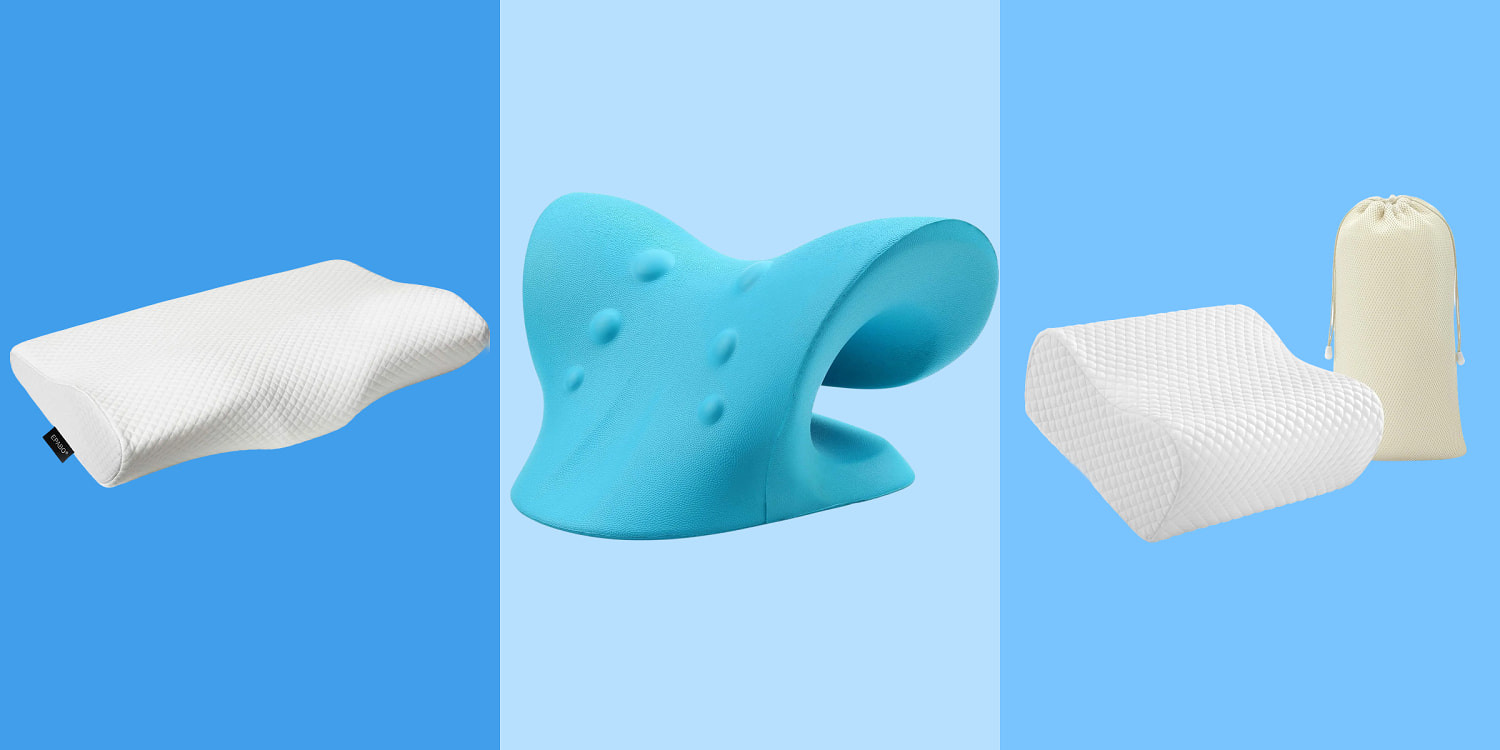
Top Products for Relieving 'Tech Neck' Pain and Improving Posture
Recent product roundups have highlighted various cervical traction devices designed to combat neck discomfort. Commonly referred to as neck stretchers, these items aim to alleviate physical pain associated with modern device usage. They also assist users in maintaining better overall alignment and posture.

Tamil Nadu Announces New Studies to Tackle Ongoing Dengue Challenges
The government of Tamil Nadu is launching new studies aimed at finding fresh strategies to curb the spread of dengue. Health Minister Arunraj acknowledged that despite past preventative efforts by successive administrations, dengue remains a significant public health issue in the region.

Popular Weight Loss Drugs Linked to Fewer Asthma and COPD Attacks in New Study
A recent study suggests that individuals using certain weight loss medications may experience a reduction in asthma and chronic obstructive pulmonary disease (COPD) attacks. Researchers observed that the connection to decreased flare-ups was notably stronger among patients taking higher doses of the drug.

One-Year-Old Boy Receives World-First Treatment for Rare Skull Condition
A one-year-old child has become the first patient globally to receive a pioneering treatment for a rare skull condition. Doctors utilized newly developed super-elastic springs to surgically reshape the infant's skull. The successful procedure marks a significant milestone in pediatric neurosurgery.