Army Secretary Daniel Driscoll Resigns Following Months of Clashes with Pentagon Chief Pete Hegseth
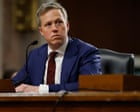
Quick Brief
Army Secretary Daniel Driscoll has resigned from his post after serving for 18 months, following months of internal friction with Pentagon chief Pete Hegseth. While no formal explanation was provided for his departure, the exit has drawn sharp warnings from Senate Democrats regarding the stability of senior military leadership. The White House praised Driscoll's tenure, highlighting his focus on readiness and participation in Russia-Ukraine negotiations.
What Happened?
Army Secretary Daniel Driscoll departed his position following months of internal disagreements with Pentagon chief Pete Hegseth. Although no official reason accompanied the announcement on Monday night, White House spokesperson Anna Kelly commended Driscoll for advancing the president's agenda on readiness, lethality, and Russia-Ukraine negotiations. Meanwhile, a senior Senate Democrat criticized Hegseth for allegedly hollowing out the Army's senior ranks through the removal of senior officers and blocked promotions.
Why It Matters
The sudden resignation occurs while thousands of U.S. service members remain deployed in the Middle East, intensifying anxieties among lawmakers about a potential leadership crisis and instability within the upper echelons of the U.S. military.
Key Facts
- Army Secretary Daniel Driscoll resigned after 18 months in the role.
- His departure follows months of internal clashes with Pentagon chief Pete Hegseth.
- No official reason was provided for Driscoll's sudden exit.
- White House spokesperson Anna Kelly praised Driscoll for advancing the administration's agenda on readiness, lethality, and Russia-Ukraine talks.
- A senior Senate Democrat warned that Hegseth has 'hollowed out' the Army's senior ranks by removing officers and blocking promotions.
Compiled from 1 outlet
Related Stories
House Democrats Cross Aisle to Save GOP Bills Amid Anti-Socialism Resolution Clash
In an unusual legislative maneuver, two House Democrats crossed party lines to support Republican legislation. Meanwhile, heated tensions flared in a House hearing as GOP leaders advanced an anti-socialism resolution.
Whistleblower Warns Postal Service Mail Voting Changes Risk Preventing Ballot Delivery
A whistleblower has raised alarms that new US Postal Service plans to comply with mail voting rules are rushed, sloppy, and contain potentially catastrophic problems. Nevada's elections chief has also criticized the administration's actions as careless. Critics warn the changes could prevent voters from successfully receiving their ballots ahead of the midterms.
House Censures North Carolina Republican Rep. Chuck Edwards Over Staff Harassment Allegations
The U.S. House of Representatives voted to censure North Carolina Republican Representative Chuck Edwards. The disciplinary action follows allegations that he sexually harassed two female aides. During his defense, Edwards argued that sending poetry does not constitute sexual misconduct.

Resolution Foundation Urges Tax Hikes on Middle Earners to Fund UK Defence
The Resolution Foundation thinktank has advised that the UK must increase its internationally low 'tax wedge' to finance expanded defence ambitions. According to the report, chancellor John Healey must be willing to raise taxes on middle-income earners to achieve this goal. Healey previously stepped down from Keir Starmer's government in June over concerns regarding inadequate defence funding.