ICE Agent's Release from Texas Jail Sparks Extradition and Legal Showdown
Quick Brief
An Immigration and Customs Enforcement (ICE) agent accused of shooting a Venezuelan immigrant and attempting a cover-up has been released from a Texas jail. The situation has triggered an extradition showdown and stalled federal cases, leading to the suspension of the agent by the Department of Homeland Security. While critics argue Texas is running interference for a fugitive, local officials maintain that the jail followed proper state laws.
What Happened?
An ICE agent accused of shooting a Venezuelan immigrant and covering it up was released from a Texas jail. This development has caused a stalled federal case, an extradition standoff between state and federal authorities, and led the Department of Homeland Security (DHS) to suspend Christian Castro. While a local sheriff stated that the jail strictly followed the law during the release, commentators and media outlets point out that Texas's intervention on behalf of the agent carries deeper legal and political consequences.
Why It Matters
The clash between state and federal authorities regarding the custody of an ICE agent creates a new political battleground over law enforcement jurisdiction, accountability, and immigration policies.
Key Facts
- An ICE agent is accused of shooting a Venezuelan immigrant and covering it up.
- The agent was released from a Texas jail, sparking an extradition showdown and stalling a federal case.
- The Department of Homeland Security (DHS) suspended Christian Castro following the release.
- A local sheriff defended the release by stating the jail followed the law.
- The incident has raised concerns about states running interference for federal agents and potential broader political consequences.
Compiled from 1 outlet
Related Stories
Progressives Navigate Media Strategy Following Abdul El-Sayed's Fox News Appearance
Progressive figures are recalibrating how they approach conservative media outlets following recent high-profile interviews on Fox News. Discussions have centered around the challenges and strategies required for progressives engaging with conservative audiences. The appearances have drawn varied reactions and commentary across multiple media platforms.
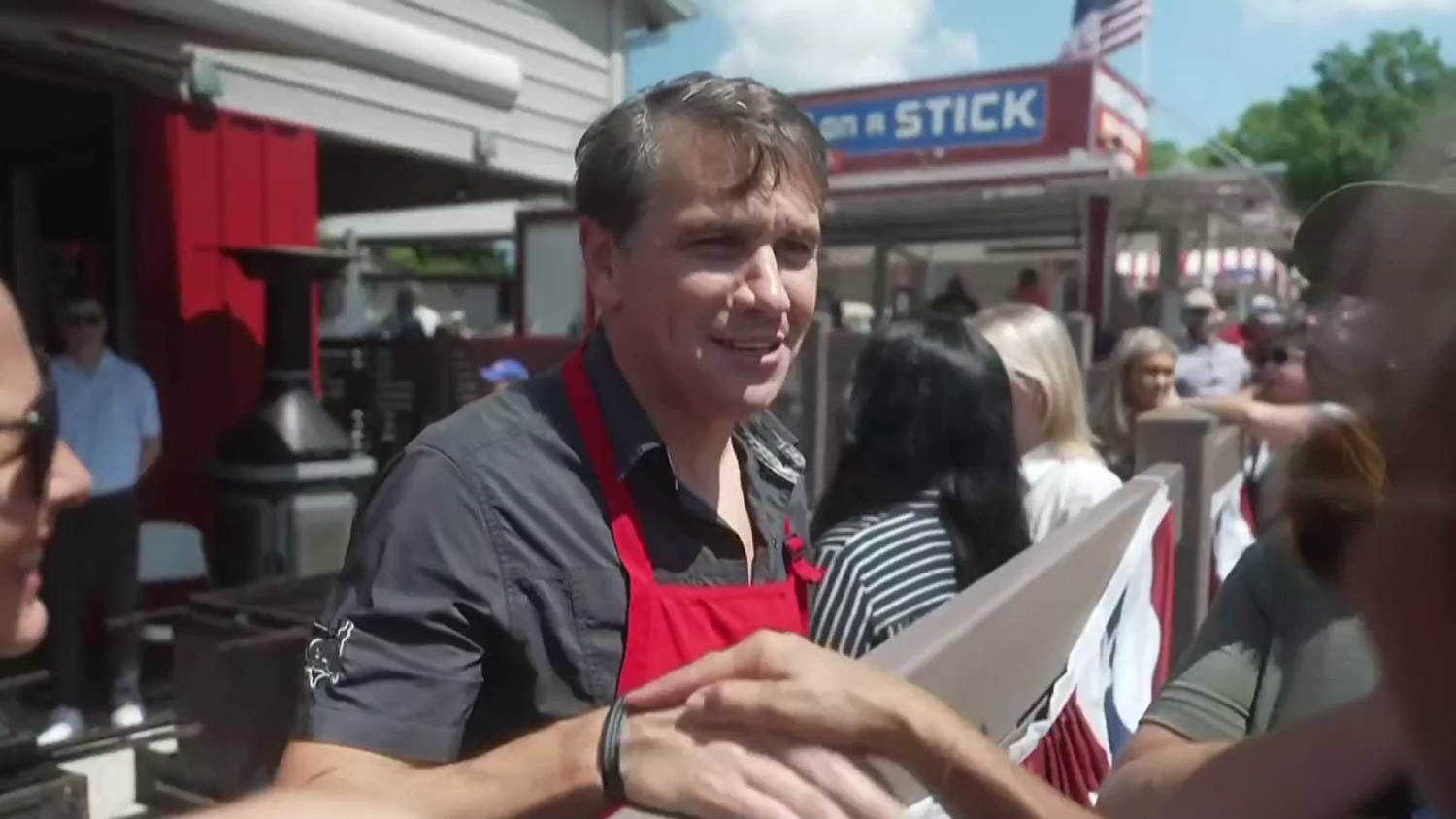
Attorney General Todd Blanche Rules Out Presidential Bid at Iowa State Fair
During a visit to the Iowa State Fair in Des Moines, Attorney General Todd Blanche firmly stated that he has no plans to run for president. The remarks were made on the fifth day of a media reporting series by NBC News.
Trump's US-Venezuela Oil Agreement Draws Backlash and Criticism From Both Political Sides
President Trump has announced a new oil agreement granting the U.S. majority control over more than 60 billion barrels of Venezuelan oil reserves. However, the arrangement has immediately triggered alarms among U.S. Democrats and drawn sharp criticism across the Venezuelan political spectrum. Local citizens have also expressed anger, describing the move as a new form of U.S. colonialism.
Federal Judge Halts Trump Administration's Mail-In Voting Restrictions
A federal judge has issued a temporary block on sweeping restrictions targeting mail-in voting implemented by the Trump administration. The brief 14-day halt has prompted an immediate appeal from the administration. Meanwhile, the U.S. Postal Service has introduced new rules for mail ballots ahead of upcoming midterms.