Indian Scientists Map Colonial Spider Venom Gland to Explore New Drug Molecules

Quick Brief
Indian researchers have mapped the venom gland of a colonial spider, identifying novel molecules. The discovery holds potential applications for future cancer and antimicrobial drug development. However, scientists emphasize that these findings are at an early stage and require extensive validation.
What Happened?
A team of researchers in India mapped the venom gland of a colonial spider species, identifying specific molecules that show promise for future biomedical applications, particularly in fighting microbes and cancer.
Why It Matters
This research opens up new avenues for pharmaceutical exploration by identifying natural compounds from spider venom that could eventually lead to novel cancer treatments and antimicrobial drugs.
Key Facts
- Indian researchers mapped the venom gland of a colonial spider.
- The study uncovered molecules with potential for future cancer and antimicrobial drug research.
- The researchers cautioned that the findings are in the early stages of biomedical research.
Compiled from 1 outlet
Related Stories
Physicists Observe Gravity's Effect on Quantum Objects for the First Time
Researchers have observed the effects of gravity on a quantum object for the first time by dropping thousands of atoms in free fall. The experiment tested Einstein's weak equivalence principle in the quantum realm. The findings suggest compatibility between quantum mechanics and gravity.

Sikkim Identifies 40 High-Hazard Glacial Lakes Facing Outburst Risks
Authorities in Sikkim have cataloged 40 high-hazard glacial lakes across the region. Among these, 16 face the highest risk of a glacial lake outburst flood (GLOF).
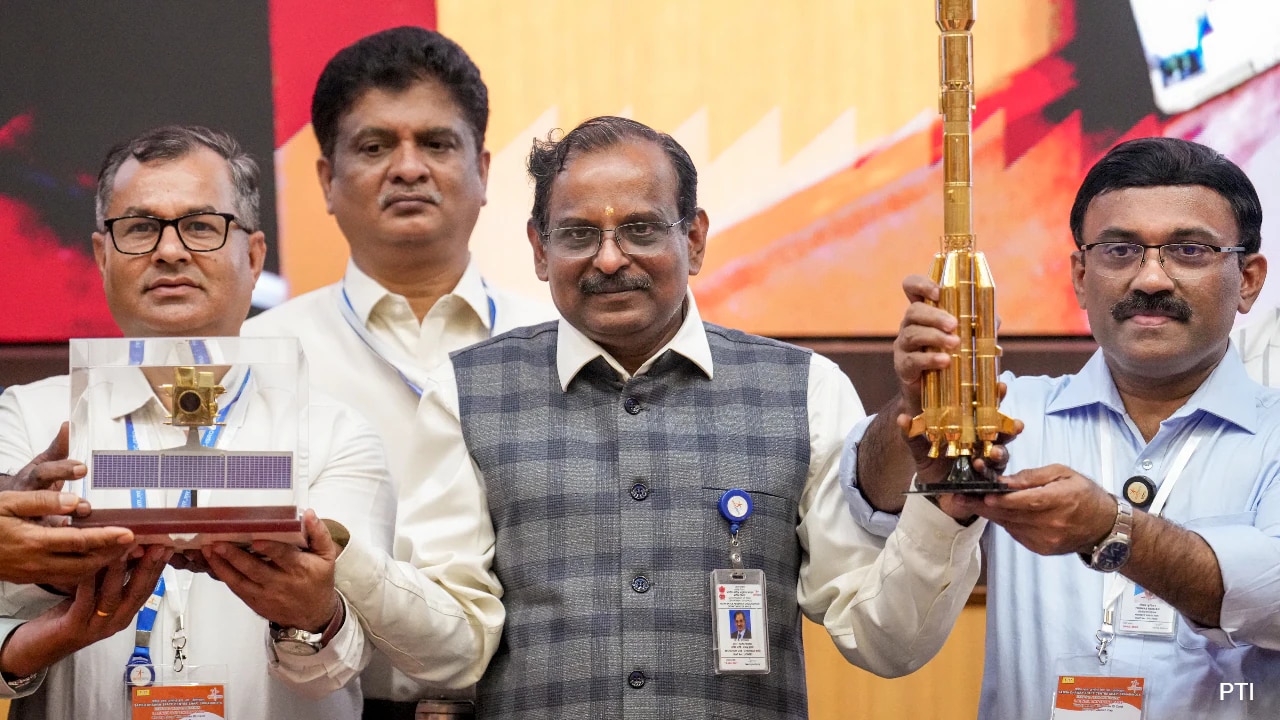
ISRO Chairman V Narayanan Defends Private Sector Role in Space Expansion
ISRO Chairman Dr V Narayanan has defended the inclusion of private companies in India's space sector. He emphasized that government reforms are designed to foster industry growth while ISRO offers essential backing, noting that the agency cannot fulfill the nation's needs single-handedly.
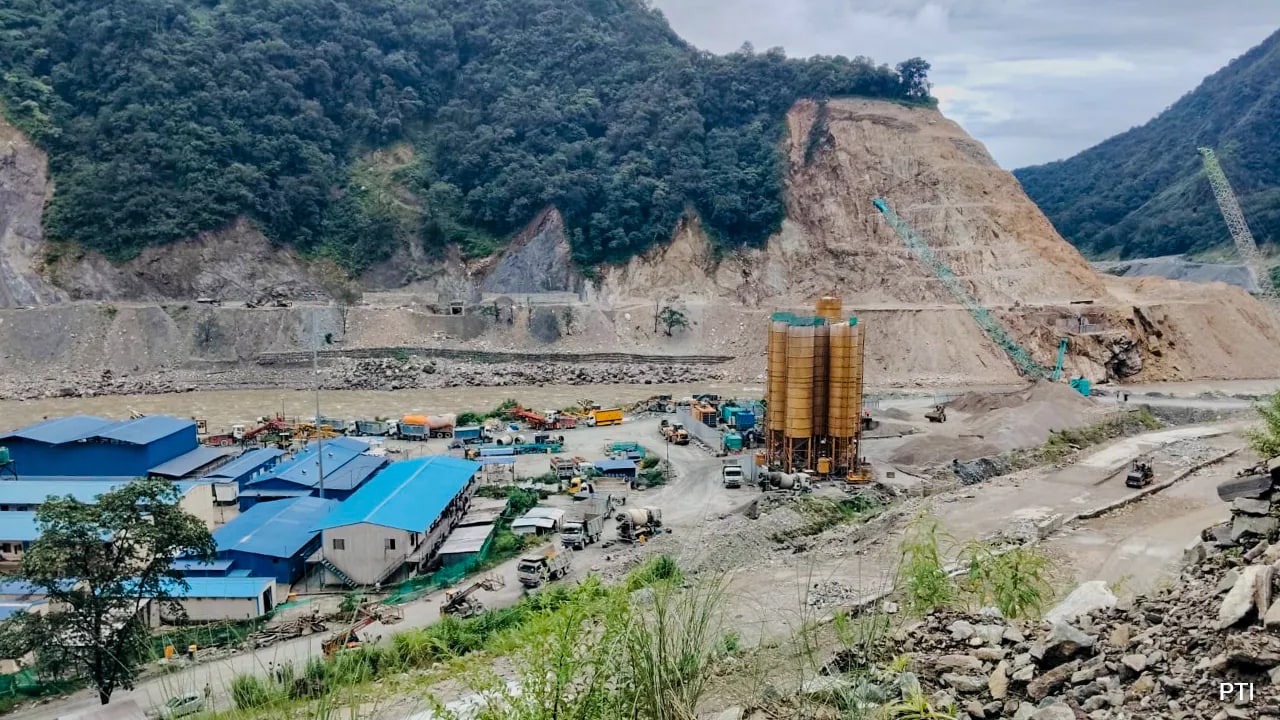
Expanding High-Altitude Lakes in Arunachal Pradesh Elevate Flood Risks, Study Warns
A recent study published in Discover Hazards evaluated 127 high-altitude lakes in Arunachal Pradesh. The assessment revealed that these expanding water bodies pose a tangible flood hazard, with several categorized under medium and high risk levels.