Uttarakhand Glaciers Melting at Accelerated Rate, Study Warns
Quick Brief
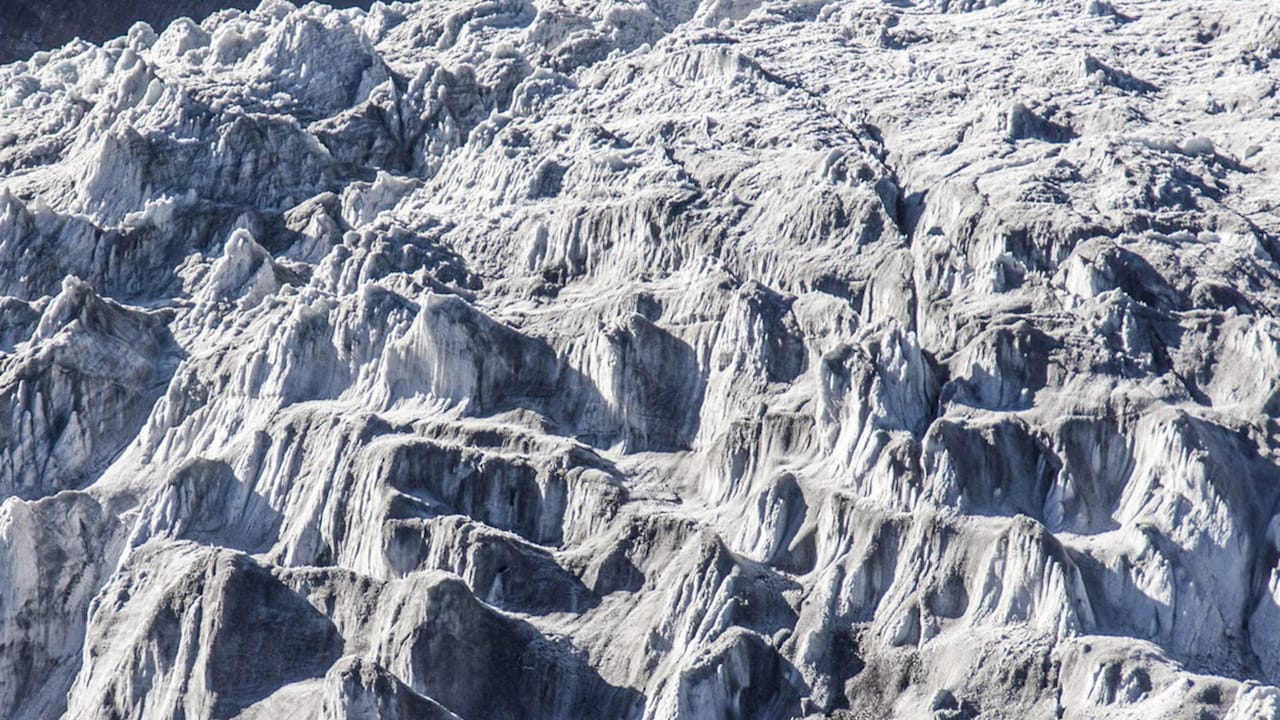
A recent study warns that glaciers in Uttarakhand are melting at a sharply accelerated rate. Researchers note that the region shares a nearly identical terrain with Nepal, highlighting potential environmental vulnerabilities following a disaster in that country.
What Happened?
Researchers have flagged severe threats posed by rapidly melting glaciers in Uttarakhand, noting that the rate of ice melt has increased significantly in recent years. The findings come just days after a disaster struck neighboring Nepal, whose terrain closely mirrors that of Uttarakhand.
Why It Matters
The acceleration of glacial melt in regions like Uttarakhand poses substantial ecological and safety risks to local communities, drawing heightened scrutiny from researchers following similar disasters in neighboring Himalayan areas.
Key Facts
- A study has flagged rapidly melting glaciers in Uttarakhand.
- Researchers noted that Uttarakhand's terrain is almost identical to Nepal's.
- The rate of glacier melt in the region has risen sharply in recent years.
- The warning comes days after a disaster occurred in Nepal.
Compiled from 1 outlet
Related Stories

Supreme Court Denies Panel Extension, Sets November 30 Deadline for Aravalli Report
India's Supreme Court has declined to grant an extension to the high-powered committee investigating the Aravalli hills and range. The court has instead instituted a firm deadline of November 30 for the panel to submit its final report. The committee is responsible for formulating a consistent definition for the ecologically sensitive region and advising on mining regulation.
New Study Reveals Tyrannosaurus Rex Had Mammal-Like Body Temperature
A recent scientific study has determined the body temperature of the Tyrannosaurus rex for the first time by analyzing its teeth. Researchers found that the apex predator possessed a warm-blooded metabolism, with a body temperature of roughly 97 degrees Fahrenheit, comparable to that of humans and modern mammals.

Scientists Identify First New Wild Cat Species in Over a Century
Scientific experts have officially identified and described a brand new living wild cat species. This breakthrough marks the first time in more than one hundred years that a new wild cat species has been named.
Rare Genetic Mutation Identified That Significantly Increases Lung Cancer Risk in Nonsmokers
Researchers have discovered a rare genetic mutation that substantially elevates the likelihood of lung cancer in people who have never smoked. The rare variant helps explain why some lifetime nonsmokers develop the disease.