Guarding Against Homoglyph Attacks in Phishing Scams

Quick Brief
Scammers are increasingly employing sophisticated psychological tricks, including homoglyph attacks, within fraudulent emails. These attacks use near-identical URLs featuring substituted characters—such as swapping a Latin character for a Cyrillic one—to deceive unsuspecting users. Consequently, split-second decisions regarding link clicks have become critical vulnerabilities in personal security chains.
What Happened?
Fraudulent emails are deploying homoglyph techniques to make malicious links appear legitimate. By replacing standard characters with visually similar counterparts from different alphabets, such as substituting a Latin 'a' with a Cyrillic 'α', scammers bypass casual visual inspection without leaving traditional URL red flags like extra characters or strange numbers.
Why It Matters
Homoglyph attacks exploit human perception by masking malicious destinations behind familiar web addresses. Because users often rely on a quick glance to determine a link's authenticity, these subtle character substitutions effectively undermine standard security awareness and increase the success rate of phishing campaigns.
Key Facts
- Phishing emails are increasingly utilizing psychological tricks and near-identical URLs.
- Homoglyph attacks substitute standard characters with visually similar ones from different character sets.
- The altered links often show no traditional red flags such as weird numbers or extra URL components.
- Substitutions can involve swapping a standard Latin letter for a Cyrillic counterpart.
- A split-second decision to click a link represents a major vulnerable link in the security chain.
Compiled from 1 outlet
Related Stories
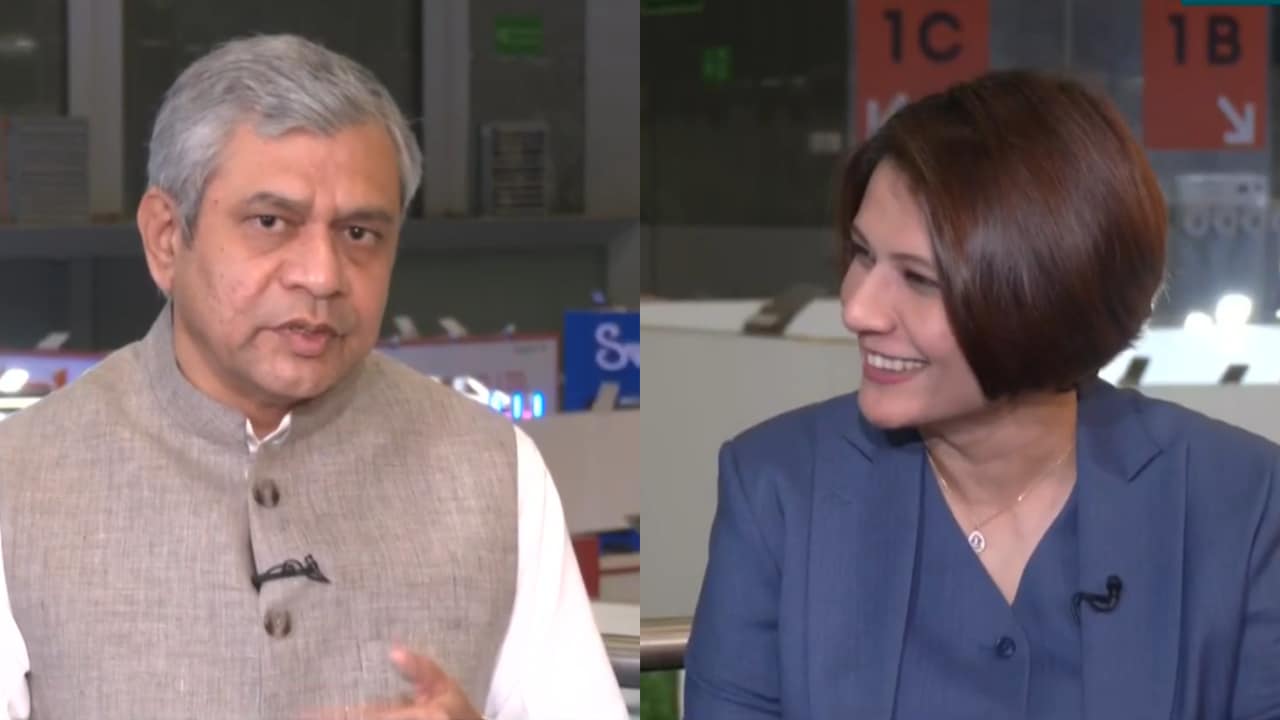
Minister Warns of Potential Sabotage Against India's Semiconductor Ambitions
Union Minister Ashwini Vaishnaw has cautioned that India must brace for potential sabotage attempts aimed at its expanding semiconductor sector. Drawing parallels, he noted that similar disruptions occurred when Apple initially began assembling iPhones in the country.

Can Artificial Intelligence Finally Solve the Streaming Overload Dilemma?
While conventional search engines and streaming platform discovery tools function well when users have a specific title in mind, finding something to watch remains a challenge when preferences are uncertain. The entertainment landscape faces a growing dilemma regarding content overload and decision fatigue. Experts are increasingly looking to artificial intelligence to bridge this gap in media discovery.
Apple Unveils New iPhone Duo to High Praise and Celebrity Interest
Apple has showcased its brand-new iPhone Duo device, generating strong enthusiasm across tech publications and design outlets. The device even drew attention from stars at the Emmys, where an Apple executive mingled and displayed the hardware.

Meta's Smart Glasses Raise Privacy Concerns Over Discreet Public Recording
Smart glasses produced by Meta have simplified the process of recording video discreetly in public spaces. The technology has brought new attention to privacy concerns regarding unconsentual filming. The devices are manufactured by the parent company of Facebook, Instagram, and WhatsApp.