La Grande-Motte: France's Retro-Futurist Seaside Town Experiences a Tourism Revival
Quick Brief
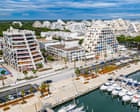
La Grande-Motte, a retro-futurist resort town in southern France, is experiencing a renewed surge of popularity among modern architecture enthusiasts. Built during the 1960s and 1970s, the seaside destination was originally designed to prevent French holidaymakers from traveling to Spain's Costa Brava. Today, its distinctive intergalactic curves and pyramid-inspired apartments draw fans of postwar architourism.
What Happened?
The southern French seaside resort town of La Grande-Motte is gaining renewed attention from travelers interested in postwar modern architecture. Developed in the late 1960s and early 1970s as part of a government initiative to transform a windswept, mosquito-infested stretch of coast near Montpellier, the town was built to offer an alternative to the Costa Brava in Spain and the Côte d'Azur.
Why It Matters
The destination highlights a growing interest in postwar architourism, celebrating mid-century urban planning and visionary architecture. Its survival and renewed appreciation showcase the enduring appeal of optimistic, experimental urban design from the 1950s through the 1970s.
Key Facts
- La Grande-Motte is located on the southern coast of France, approximately a 30-minute drive from Montpellier.
- The town was constructed during the late 1960s and early 1970s.
- It was originally created as part of a French government initiative to stop holidaymakers from traveling to Spain's Costa Brava.
- The resort features apartments inspired by Mayan pyramids and distinctive intergalactic curves.
- The development transformed a previously windswept and mosquito-infested stretch of the Occitanie coast.
Compiled from 1 outlet
Related Stories
Readers Highlight Secluded European Islands in Travel Feature
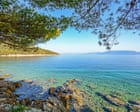
In a recent travel feature, readers shared their favorite lesser-known European islands, ranging from secluded spots in Ireland to the Aeolian islands in Italy. One highlighted destination was Cres, the least populated of the four main islands in Croatia's Kvarner Gulf. Known for its wild landscape of olive groves, heath, and lavender, the island offers visitors a mix of quiet local life and clear turquoise waters.

Slovenia's Vipava Valley Embraces Community-First Slow Travel
Tourism is beginning to flourish in Slovenia's Vipava Valley, with residents prioritizing community welfare and environmental preservation. Visitors to the scenic karst hillside hamlet of Pedrovo can experience local offerings, such as fresh cheeses at the Čilčevi Farmstead. The region features a wide flat plain, vineyards, and the winding Vipava River.

Decoding Mid-Air Scares: Understanding Turbulence and Flight Anxiety
Air travel often brings unexpected challenges, with mid-air turbulence remaining one of the most unsettling experiences for passengers. A recent look into these flight occurrences highlights the psychological impact and anxiety associated with rough weather conditions. Understanding these mid-air scares helps decode traveler apprehension.
Exploring Tuscany's Seven Archipelago Islands
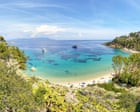
The seven islands of the Tuscan archipelago provide an alternative escape from the crowded mainland destinations of Florence and Siena. Protected within a national park, the islands feature diverse characteristics ranging from lively spots to tiny, car-free environments.