China's 'Clean Internet' Campaign Suppresses Information Regarding Nepal-Tibet Flood Disaster
Quick Brief
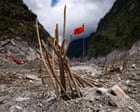
China's 'Clean Internet' campaign has increasingly suppressed information differing from official narratives. The censorship has heavily impacted reporting on the Nepal-Tibet flood disaster, leaving exiled individuals unable to obtain news about missing relatives across the border.
What Happened?
An online campaign initially targeting cybercrime and hacking has expanded to suppress alternative narratives and information. Following a devastating flood disaster along the Nepal-Tibet border, this digital restriction prevented residents and exiles from receiving updates or status reports on missing family members in Tibet.
Why It Matters
The systematic suppression of disaster information prevents families from learning the fate of missing relatives, demonstrating how state censorship campaigns can compound the grief and uncertainty of natural disasters by cutting off communication channels.
Key Facts
- China's 'Clean Internet' campaign has shifted focus to suppress information differing from official narratives.
- The censorship severely affected information flow following a Nepal-Tibet flood disaster.
- Tsering, a 46-year-old Tibetan living in exile in southern India, has missing family members on both sides of the border.
- While some family members in Nepal appeared on official lists, Tsering received no information regarding relatives in Tibet.
Compiled from 1 outlet
Related Stories
Guntur Municipal Corporation Unveils ₹53.75 Crore 'Nava Guntur' Development Plan
The Guntur Municipal Corporation is set to invest ₹53.75 crores into a comprehensive municipal development initiative known as the 'Nava Guntur' plan. Municipal Commissioner K. Mayur Ashok stated that the overarching project encompasses six major focus areas designed to upgrade public amenities and urban infrastructure.

Somali Piracy Surges to Decade-High Levels Amid Regional Chaos
Piracy off the Horn of Africa has surged to levels unseen in a decade, fueled by regional political instability and shipping disruptions. Since late April, eight hijackings have targeted cargo vessels and smaller dhows. Recent incidents include seizures of an oil tanker linked to Iran and a military-equipment-carrying vessel.

Oxford Museum Agrees to Repatriate Colonial-Era Human Remains to Naga People
An Oxford museum is preparing to repatriate 39 colonial-era human remains to the Naga people. The decision follows the university's approval of a restitution request submitted by the Forum for Naga Reconciliation. The institution maintains the world's largest collection of Naga artifacts.
Argentina to File Criminal Charges Against Navitas Petroleum Over Falklands Drilling
The administration of President Javier Milei announced plans to pursue criminal charges against Israeli energy firm Navitas Petroleum and its leadership. The legal action targets the company's unauthorized drilling operations in the Falkland Islands. This development follows presidential vows to penalize firms operating in the disputed territory.