South Korea Declines to Send Military Support for US Conflict with Iran
Quick Brief
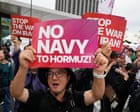
South Korean President Lee Jae Myung has announced that his administration will not deploy military assets to the Middle East. The decision directly resists pressure from Donald Trump to support the United States' military actions involving Iran. Speaking at a press conference, the president assured the public that no deployment would draw the nation into the active conflict.
What Happened?
During a press conference on Friday, South Korean President Lee Jae Myung addressed speculation regarding a potential military deployment to the Strait of Hormuz. He explicitly ruled out sending troops or military assets in any capacity that could pull the country into the ongoing conflict between the US and Iran.
Why It Matters
The decision highlights South Korea's resolve to maintain its stance against participating in the widening Middle East conflict, despite direct pressure from Washington to contribute to the campaign.
Key Facts
- South Korean President Lee Jae Myung announced the country will not deploy its military to the Middle East.
- The decision defies pressure from Donald Trump to provide military support for the US war on Iran.
- The announcement aims to clear up previous speculation regarding a potential deployment to the Strait of Hormuz.
- President Lee stated clearly during a Friday news conference that no assets would be sent to enter or involve the country in the war.
Compiled from 1 outlet
Related Stories

Two Indian Women Die in Australia After Car Collides with Porsche
A tragic traffic collision in Australia resulted in the deaths of a 33-year-old woman and her mother-in-law after their vehicle rammed into a Porsche. Both women were pronounced dead upon arrival at a nearby hospital alongside the Porsche driver, who was also rushed for medical attention.
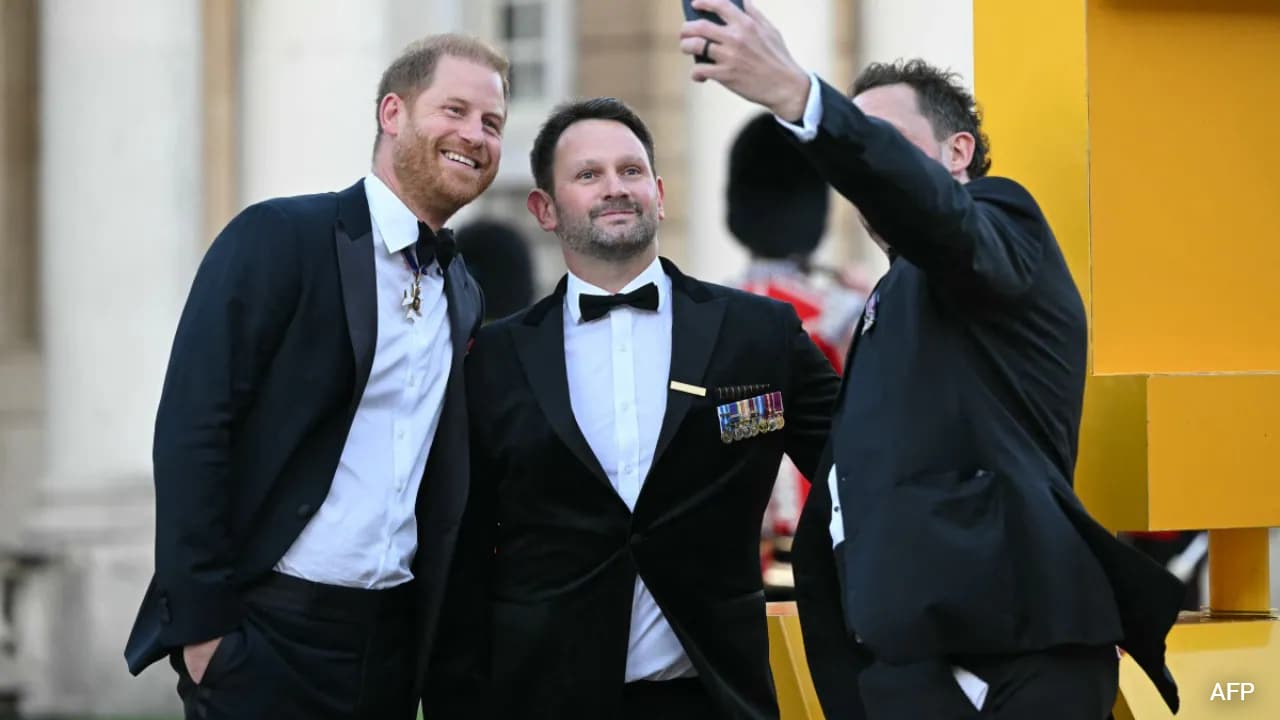
Prince Harry Makes First Public Appearance Following UK Return
Prince Harry has made his first public appearance since moving back to Britain alongside his family. The Duke and his family arrived in the UK on August 26, maintaining a relatively low profile until now.
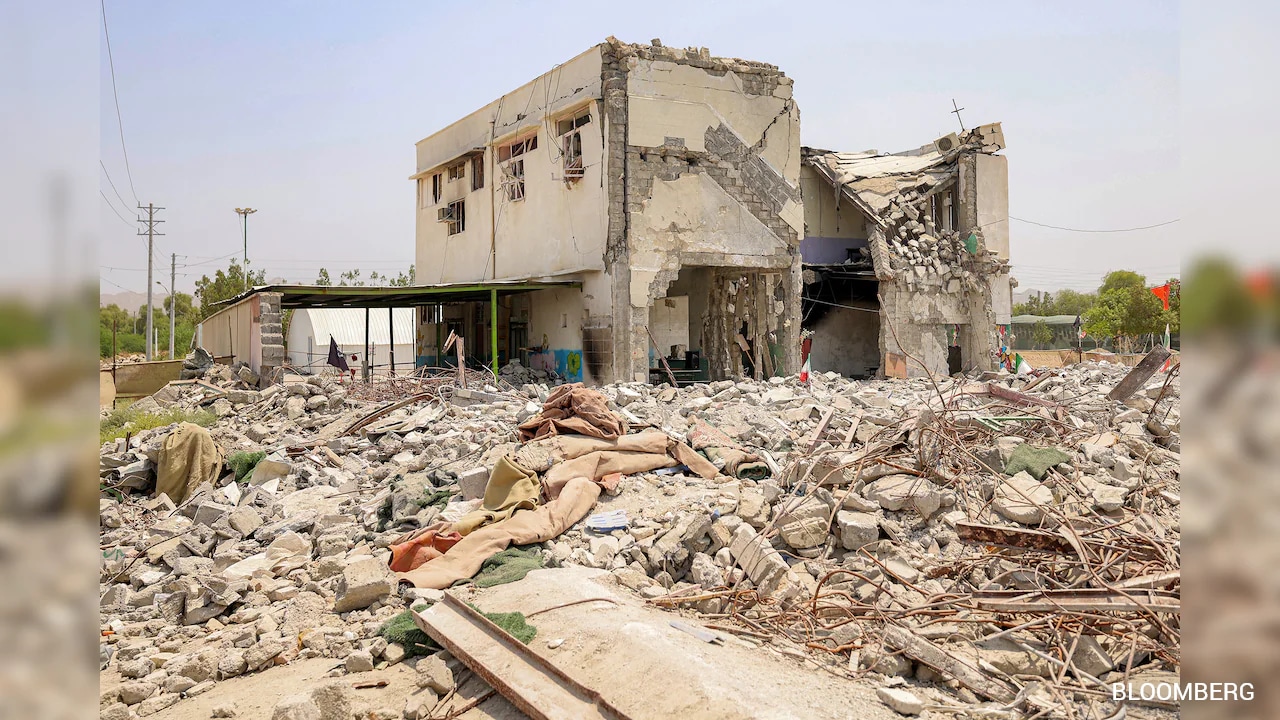
UN Panel Flags Fatal US Strike on Iranian School as Potential War Crime
A United Nations panel has indicated that a deadly US military strike on an Iranian primary school could constitute a war crime. The late February incident involved a Tomahawk cruise missile hitting the Shajareh Tayyebeh Primary School in Minab, resulting in over 150 fatalities.

Research Reveals Russian Mobile Super-App Max Functions as State Surveillance Backdoor
New research shows that tens of millions of people in Russia have been pressured to install a messaging and payment application known as Max. Marketed by officials as a patriotic substitute for platforms like WhatsApp and Telegram, the software functions as a device backdoor. By this summer, the platform grew to become the most widely utilized messaging service across the country.