Strict Information Controls in China Hinder Assessment of Tibet Glacier Flood Damage
Quick Brief
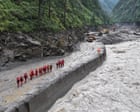
Following a massive Himalayan glacier collapse that triggered flash floods in Nepal and Tibet, the true scale of the devastation is unfolding. While details emerge quickly in Nepal as reporters reach the disaster zone, strict information controls in China continue to hamper the public assessment of damages in Tibet, where state media largely focuses on rescue operations.
What Happened?
An enormous glacier in the Himalayas broke away from a mountaintop and cascaded into the valley below, causing severe flash floods across Nepal and Tibet. While journalists and observers are able to document the disaster's scale as they reach the affected areas in Nepal, China's tight control over the flow of information from the sensitive region has limited transparency, with state media centering its coverage on rescue efforts.
Why It Matters
The lack of open information from Chinese authorities restricts a complete and accurate global understanding of the disaster's true humanitarian and environmental toll in Tibet, contrasting sharply with the more rapid flow of information coming out of Nepal.
Key Facts
- An enormous Himalayan glacier snapped away from a mountaintop and cascaded into the valley below.
- The incident triggered severe flash floods affecting both Nepal and Tibet.
- The true scale of devastation is emerging more quickly in Nepal as reporters reach the disaster area.
- China's strict controls on the flow of information are hampering the public's understanding of events in Tibet.
- Chinese state media coverage has focused heavily on rescue efforts rather than the full scope of destruction.
Compiled from 1 outlet
Related Stories

Journalism Must Adapt to Shorter Formats While Preserving Core Values, Experts Argue
In the contemporary digital era dominated by endless scrolling, the media industry faces a pressing need for evolution. Experts emphasize that journalism must pivot toward condensed formats. However, this shift must occur without compromising its fundamental ethical principles and core values.
Right-Wing Provocateur Milo Yiannopoulos Deported to U.K. by ICE
British far-right agitator Milo Yiannopoulos has been deported back to the United Kingdom by U.S. Immigration and Customs Enforcement (ICE). His removal occurred just one day following his arrest by federal authorities. Prior to his deportation, Yiannopoulos was held at a major deportation facility located in Louisiana.
Russian Strike on Ukrainian Weapons Depot Leaves Dozens Dead and Triggers Criminal Investigation
A Russian strike on a weapons warehouse in Ukraine triggered secondary explosions that killed at least 37 people and forced hundreds of evacuations. In response to the disaster, Kyiv has launched a criminal investigation into the incident, with officials also pointing toward negligence.
Two LaGuardia Air Traffic Controllers Left Early Ahead of Fatal Runway Collision
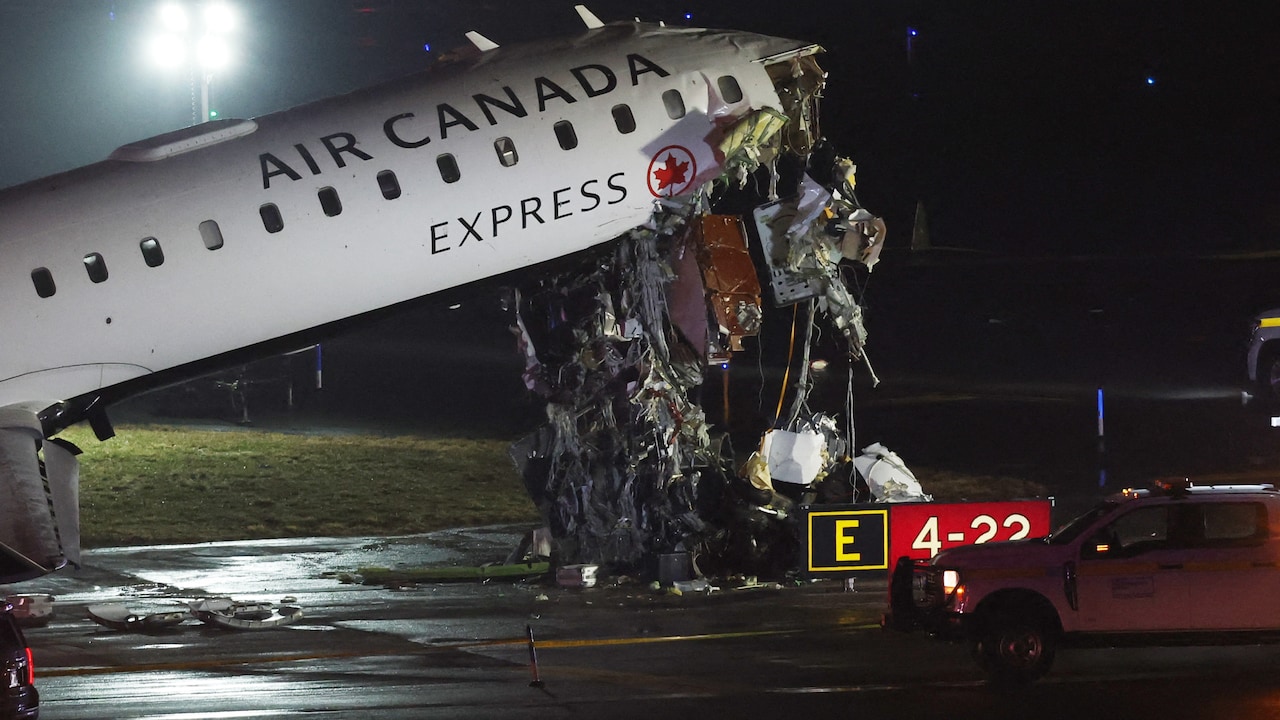
Two air traffic controllers at New York's LaGuardia Airport departed approximately an hour early on the night an Air Canada airplane collided with a runway fire truck. The incident, which resulted in the deaths of both pilots, has brought scrutiny to the staffing and presence in the control tower.