California Set to Become First State to Establish Post-Wildfire Smoke Contamination Standards
Quick Brief
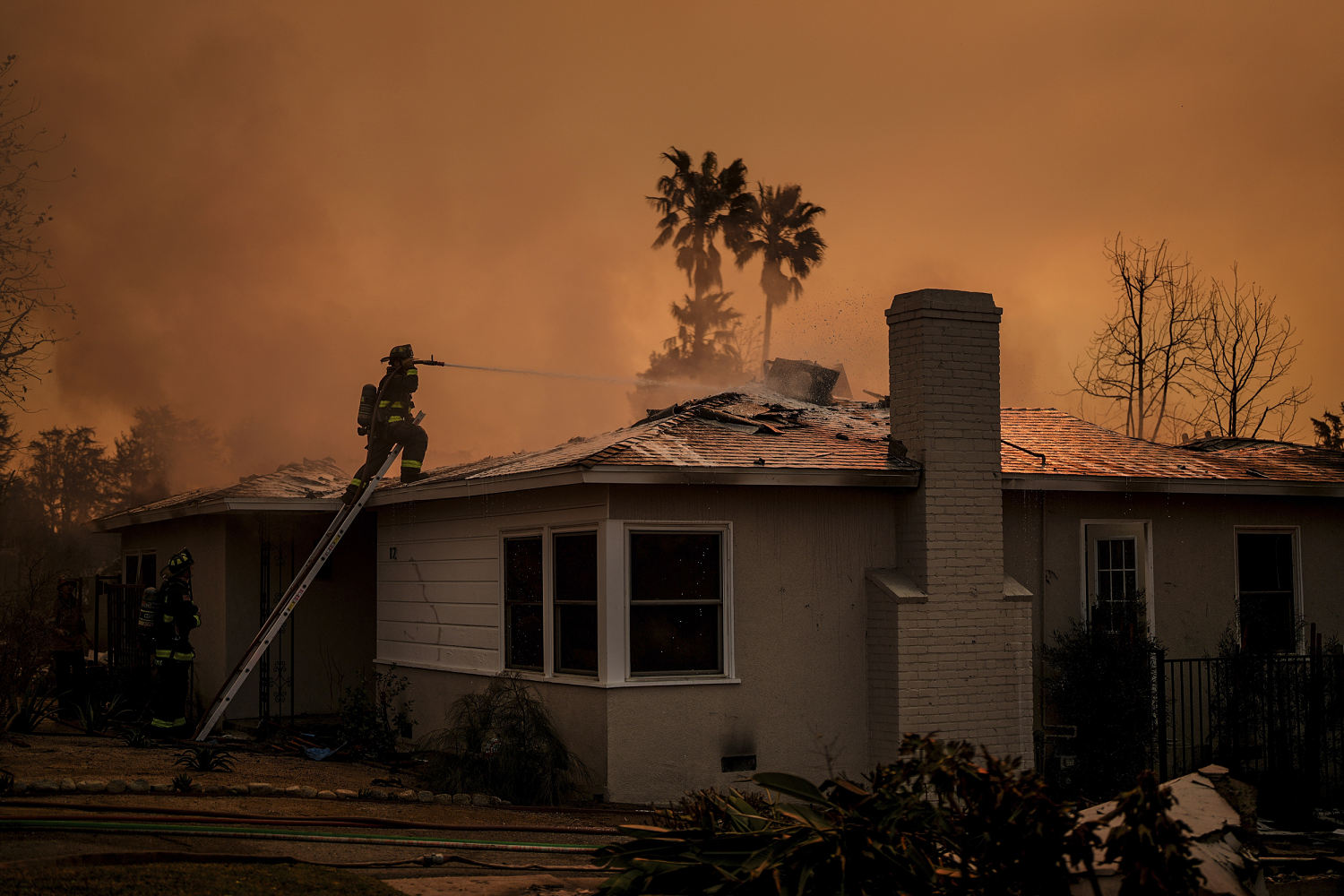
California is on track to become the inaugural U.S. state to establish formal protocols for testing and cleaning up wildfire smoke contamination in residential areas. The initiative advanced Monday with the passage of two dedicated legislative bills. These standards aim to provide clear guidance for residents determining when it is safe to return home following a wildfire.
What Happened?
On Monday, lawmakers passed a pair of bills designed to establish official standards for testing and remediation related to wildfire smoke contamination. This legislative action positions California as the first state in the nation to regulate post-wildfire home safety evaluations.
Why It Matters
As wildfires become more frequent and severe, residents often face uncertainty regarding the safety of their homes long after the flames have been extinguished. Setting official testing and remediation standards provides vital public health protections and clear guidance for families looking to return home safely.
Key Facts
- California passed a pair of bills on Monday regarding wildfire smoke contamination.
- The state is poised to become the first in the U.S. to set these standards.
- The legislation establishes formal protocols for testing and remediation.
- The standards address safety concerns for residents returning home after wildfires.
Compiled from 1 outlet
Related Stories

El Niño Winds Threaten Heat-Stressed Trees Across England
England's countryside is facing potential widespread tree mortality due to the combination of extreme summer heatwaves and upcoming El Niño winds. Specialists at Kew have expressed severe concern for the autumn season. The prolonged drought has left trees brittle and experiencing early leaf loss.

UN Report Warns Millions in Kolkata and Mumbai Face Displacement from Rising Seas
A United Nations report released on Monday warns that millions of residents in Kolkata and Mumbai are at risk of losing their homes due to rising sea levels. The environmental threat is already impacting local infrastructure, including energy grids, water systems, and transport networks.
Solar Surpasses Coal as China's Leading Power Capacity Source
Solar energy has overtaken coal to become China's leading source of power capacity. This milestone reflects a significant transition in the nation's energy infrastructure. The development was highlighted in recent reports regarding China's shifting power generation landscape.

Glacial Collapse and Deluge in Nepal and Tibet Highlight Accelerating Climate Threats
A catastrophic glacial collapse and subsequent deluge struck Nepal and Tibet, driven by the melting of permafrost and glacial ice in the Himalayas. Climate experts warn that this structural failure of alpine terrain reflects the severe consequences of ongoing global warming. The disaster follows a summer marked by intense heatwaves and wildfires globally.