Glacial Collapse and Deluge in Nepal and Tibet Highlight Accelerating Climate Threats
Quick Brief
A catastrophic glacial collapse and subsequent deluge struck Nepal and Tibet, driven by the melting of permafrost and glacial ice in the Himalayas. Climate experts warn that this structural failure of alpine terrain reflects the severe consequences of ongoing global warming. The disaster follows a summer marked by intense heatwaves and wildfires globally.
What Happened?
A glacial collapse and accompanying deluge occurred in the mountain peaks of Nepal and Tibet, driven by the liquefaction of permafrost and glacial ice that historically bound the rock formations together. This event capped a summer season characterized by extreme climate events, including lethal heatwaves and wildfires.
Why It Matters
The disaster demonstrates how rising global temperatures compromise the structural stability of mountain ecosystems, transforming permafrost and ice into hazards. It serves as a stark warning regarding the future scale of climate-related disasters if aggressive environmental action is not taken.
Key Facts
- A glacial collapse and deluge struck the high peaks of Nepal and Tibet.
- The disaster was caused by the melting of permafrost and glacial ice holding mountain rock together.
- Experts describe the event as the structural failure of a mountain resulting from human-caused planetary warming.
- The disaster followed a summer of extreme global climate events, including deadly heatwaves and wildfires.
Compiled from 1 outlet
Related Stories

Sydney Logs Its Warmest Winter on Record as Eastern Australia Swelters
Sydney and Melbourne have recorded their hottest and equal-hottest winters in history, respectively. Three eastern Australian states experienced their warmest-ever winter seasons overall. The Bureau of Meteorology forecasts that these elevated temperatures will likely persist into the spring.

Chicken Liver Sponges Successfully Filter Pollutants in Spanish Harbour Trial
Marine biologists have successfully tested the ability of chicken liver sea sponges to filter pollutants in a Spanish harbour. The research, conducted in Marina Palamós on the Costa Brava, showed promising results as local marine life began returning to the area.
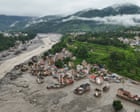
Devastating Himalayan Floods Leave Dozens of Indian Families Searching for Missing Loved Ones
Ruinous floods have swept through parts of Nepal following a catastrophic glacial collapse, leaving numerous individuals missing. Families across India have taken to social media to share desperate pleas and details of unaccounted-for relatives. The disaster highlights growing environmental threats in the Himalayan region.

UN Environment Programme Highlights Global Rural Waste Crisis and Indian Challenges
A recent analysis by the UN Environment Programme reveals that approximately 2.7 billion people worldwide lack waste collection services, with two billion of them residing in rural regions. In places where waste management is unavailable, communities frequently resort to burning refuse or dumping it onto land and waterways, presenting a significant environmental challenge for nations like India.