UN Environment Programme Highlights Global Rural Waste Crisis and Indian Challenges

Quick Brief
A recent analysis by the UN Environment Programme reveals that approximately 2.7 billion people worldwide lack waste collection services, with two billion of them residing in rural regions. In places where waste management is unavailable, communities frequently resort to burning refuse or dumping it onto land and waterways, presenting a significant environmental challenge for nations like India.
What Happened?
The UN Environment Programme published an analysis indicating that 2.7 billion individuals globally do not have access to waste collection. Out of this total, 2 billion live in rural areas. The lack of proper infrastructure forces populations to dump waste into rivers, streams, seas, and onto land, or to burn it, which is noted as a major concern specifically in India.
Why It Matters
Inadequate rural waste management poses severe environmental and public health risks globally. When communities are forced to burn refuse or dump it into waterways and on land, it exacerbates pollution crises, a problem that is particularly acute in India.
Key Facts
- Around 2.7 billion people globally lack waste collection services.
- Two billion of the people without waste collection live in rural areas.
- Uncollected waste is typically dumped on land, in rivers, streams, and seas, or burned.
- Waste burning and improper dumping are major concerns in India.
- The findings come from an analysis conducted by the UN Environment Programme.
Compiled from 1 outlet
Related Stories
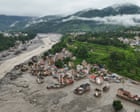
Devastating Himalayan Floods Leave Dozens of Indian Families Searching for Missing Loved Ones
Ruinous floods have swept through parts of Nepal following a catastrophic glacial collapse, leaving numerous individuals missing. Families across India have taken to social media to share desperate pleas and details of unaccounted-for relatives. The disaster highlights growing environmental threats in the Himalayan region.

Is the Climate Crisis Ending Instagram's Classic 'Euro Summer' Trend?
The traditional romanticized 'Euro summer' shared widely on Instagram is facing a reckoning as extreme heat impacts travel experiences. Staying in uncooled historic European buildings has increasingly become an uncomfortably hot ordeal. Consequently, the classic social media imagery of picturesque Mediterranean getaways may be shifting.

Illegal Trekking and Undisclosed Spot Tourism Threaten Karnataka's Western Ghats
An escalating influx of travelers visiting undisclosed tourist spots and engaging in unauthorized trekking has sparked environmental concerns in Karnataka's Western Ghats. Local residents worry that this sudden surge in fragile areas will inflict lasting harm on native wildlife habitats, local water sources, and surrounding forests.
Toxic Haze from Indonesian Fires Chokes Malaysian Borneo
A severe haze crisis caused by Indonesian fires has blanketed Malaysian Borneo, bringing hazardous air quality to the region. The environmental event has triggered a noticeable surge in respiratory illnesses across Sarawak. This marks the worst air quality crisis the area has experienced in ten years.