Toxic Haze from Indonesian Fires Chokes Malaysian Borneo
Quick Brief
A severe haze crisis caused by Indonesian fires has blanketed Malaysian Borneo, bringing hazardous air quality to the region. The environmental event has triggered a noticeable surge in respiratory illnesses across Sarawak. This marks the worst air quality crisis the area has experienced in ten years.
What Happened?
Toxic haze originating from fires in Indonesia has settled over Malaysian Borneo, specifically affecting the region of Sarawak. The environmental conditions have deteriorated into the worst haze crisis the area has seen in a decade, resulting in hazardous air quality levels.
Why It Matters
The severe air pollution poses a major public health threat, evidenced by a sharp rise in respiratory illnesses among local residents living under the hazardous atmospheric conditions.
Key Facts
- Toxic haze originated from fires in Indonesia.
- The air pollution heavily affected Malaysian Borneo, specifically Sarawak.
- The crisis has caused a surge in respiratory illnesses.
- This is reported as the worst haze crisis in the region in a decade.
Compiled from 1 outlet
Related Stories
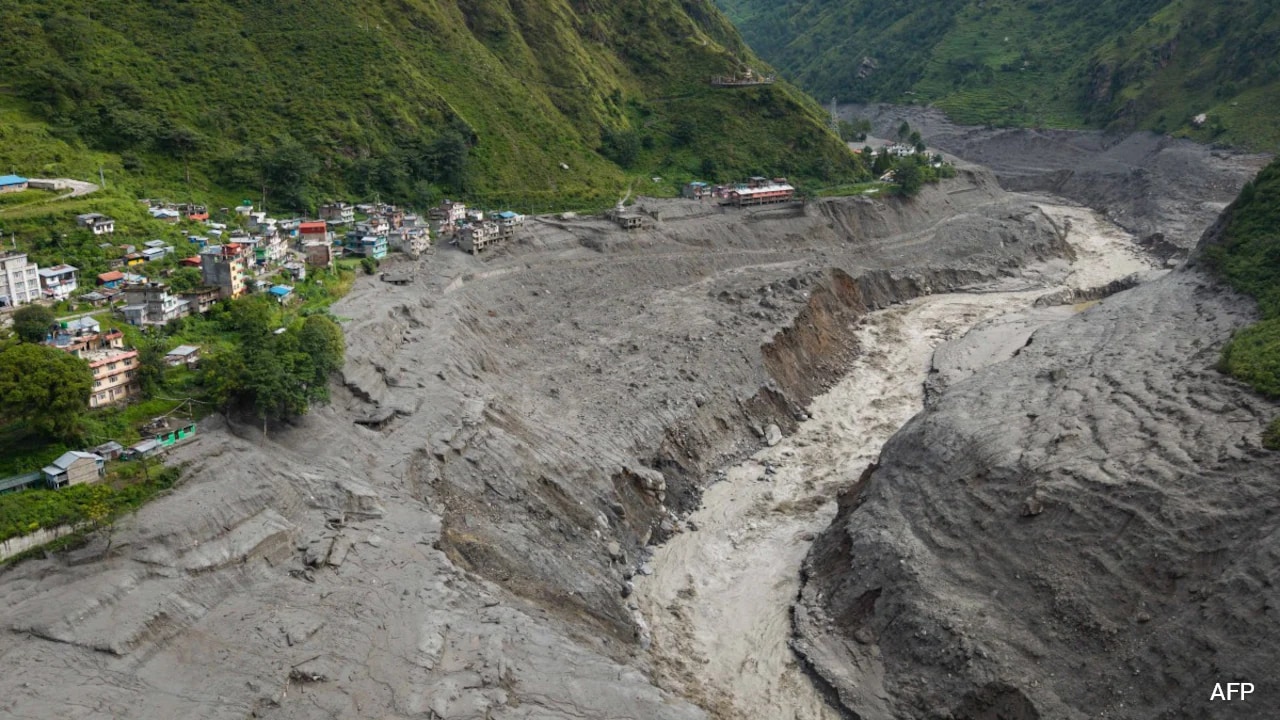
Massive Himalayan Glacial Collapse Triggers Severe Flooding Across Nepal River Systems
A large glacial collapse high in the Himalayas near the Nepal-China border sent a destructive water surge rushing through multiple river systems. The disaster highlights the severe climate vulnerabilities faced by low-emission regions. Catastrophic costs are hitting the area despite its minimal contribution to global greenhouse gas emissions.

Deadly Flash Flood Strikes Grand Canyon After Heavy Rains
A severe flash flood fueled by heavy rains struck the Grand Canyon's Bright Angel Creek area over the weekend. The disaster resulted in at least two fatalities and left 15 individuals missing or unaccounted for. Experts point to compounding climate factors such as drought and wildfire scarring as likely contributors.

New Study Reveals Current El Niño is Strongest in a Millennium
A recent scientific study has determined that the current El Niño climate phenomenon has reached unprecedented levels. According to the research, it is now stronger than at any other point over the last millennium.

Readers Debate Solutions for Massive Carbon Footprint of Future Datacentres
Letters published in response to reports about high-emission datacentres propose various ways to curb their environmental impact. Suggestions include mandating that these facilities generate their own renewable energy and reducing overall digital communication. Critics argue that corporations are shifting their environmental burdens onto society.