New UK Study Warns Drinking Tea and Coffee Too Hot Increases Oesophageal Cancer Risk
Quick Brief
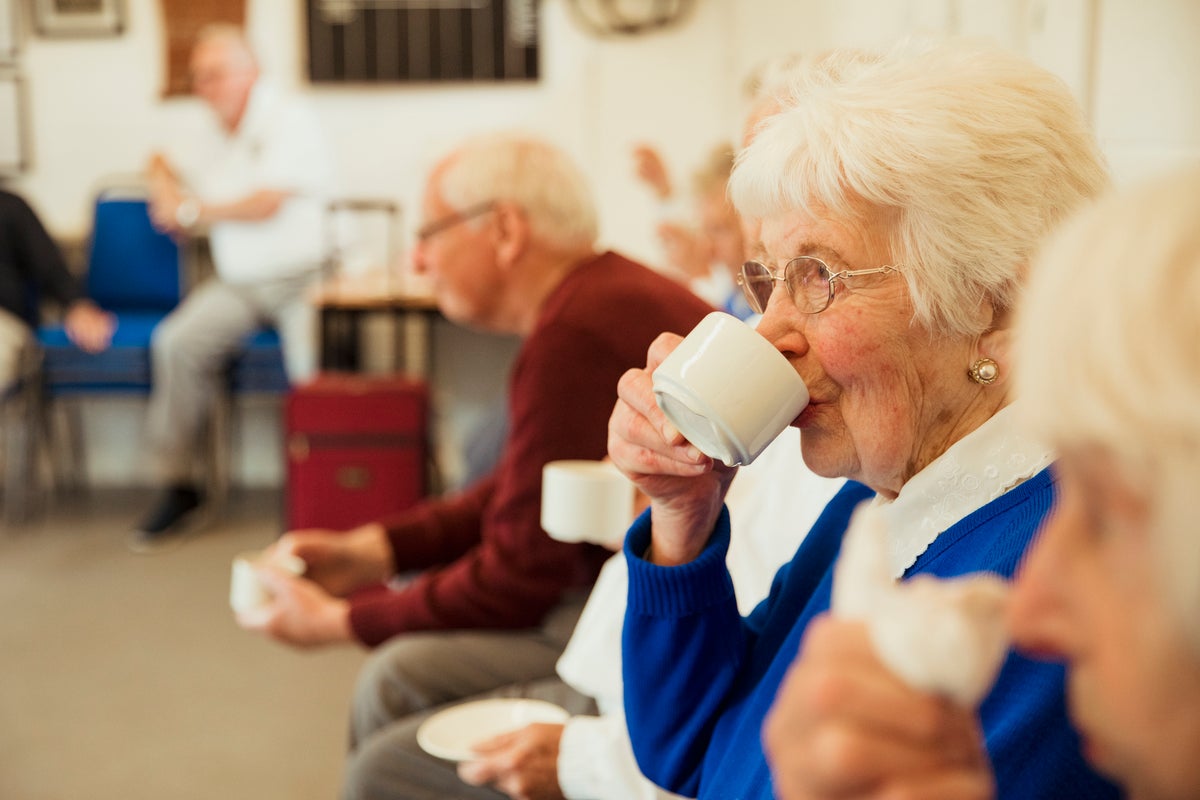
A recent study conducted in the UK cautions that consuming beverages like tea and coffee while they are extremely hot can elevate the risk of oesophageal cancer. Researchers found that typical Western populations consume hot drinks at approximately 60 degrees Celsius, which can cause damage to the food pipe over time.
What Happened?
Scientists have issued a warning advising people to let their hot drinks cool down before consumption. According to the study, very hot beverages can potentially damage the food pipe, increasing the likelihood of developing oesophageal cancer.
Why It Matters
Oesophageal cancer is a serious health concern, and identifying daily dietary habits that contribute to its risk—such as the temperature at which hot drinks are consumed—provides actionable prevention steps for the general public.
Key Facts
- A new UK study warns that drinking very hot tea and coffee increases the risk of oesophageal cancer.
- Researchers estimate that the typical drinking temperature for hot beverages in Western populations is around 60 degrees Celsius.
- Consuming excessively hot liquids can damage the food pipe, raising cancer risks.
Compiled from 2 outlets
Related Stories

New Study Warns Very Hot Drinks Can Triple Oesophageal Cancer Risk
The largest study examining the link between beverage temperature and cancer has found that consuming very hot drinks can triple the risk of developing oesophageal cancer. Experts advise allowing hot beverages like tea and coffee to cool before drinking to lower this risk.
New Study Connects Prenatal Acetaminophen Exposure to Reproductive Changes in Girls
A recent research study has identified a potential connection between prenatal exposure to acetaminophen and reproductive changes in young girls. Despite these findings, medical professionals emphasize that the medication remains safe for use when medically necessary.
New Study Reveals Smaller Brain Sizes in Infants Born to Mothers With Anaemia
A recent study reveals that infants born to mothers suffering from anaemia possess smaller brains. The volumetric differences primarily impact areas of the brain associated with learning, movement, and emotional regulation. Researchers identified these structural variations when the children reached one year of age.
BBC Publishes Guide on Protecting and Strengthening Wrists
The BBC has released an informational guide focused on protecting and maintaining joint health. The article explores methods to future-proof wrists against potential strain or injury. Specific details regarding exercises or medical contexts were not outlined in the initial report.